ROME, 20 March 2021 (FAO)* — When you think of drylands, do you think of miles of empty, barren desert? Well, think again!
Drylands are actually a unique type of ecosystem characterised by water scarcity and low precipitation. Plants and animals here survive on little water, adapted to the droughts and heat waves that are common in these areas.
However, just because these regions are dry does not mean that they are barren. Drylands are still productive landscapes with considerable economic potential and environmental value, but the monitoring and rehabilitation of dryland ecosystems has not attracted as much attention as other ecosystems, such as rainforests. Drylands are vulnerable, yet they are being neglected.
New FAO report finds agricultural losses from natural hazards continue to soar, inflicting economic damage and undermining nutrition
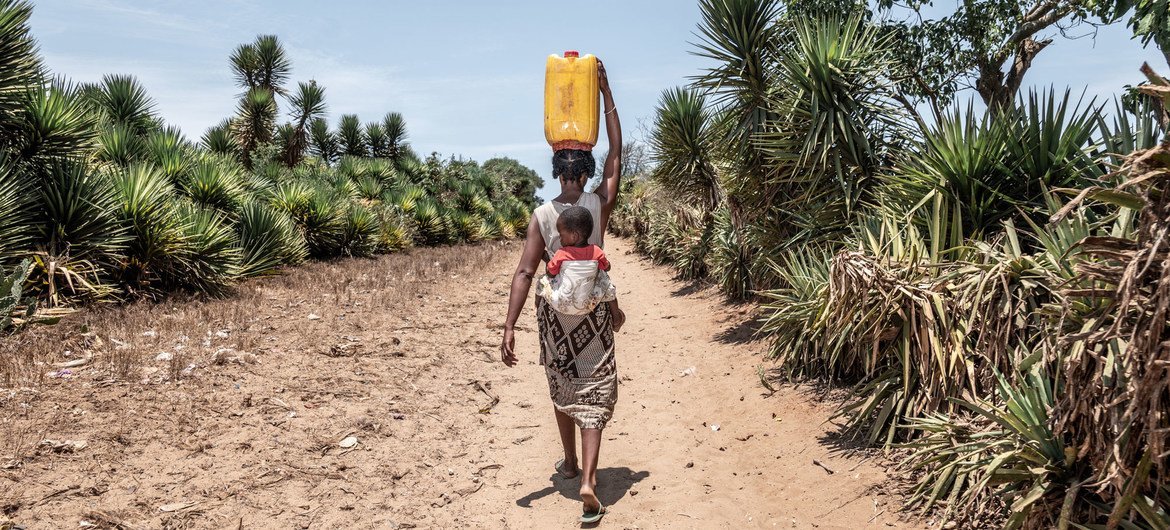
A woman walking with jerricans to collect water, Somali Region, Ethiopia.
ROME (FAO)* — Agriculture absorbs the bulk of the financial losses and damages wrought by disasters which have grown in frequency, intensity, and complexity, says FAO in a new report released on 18 March 2021.
MEXICO CITY, Mar 19 2021 (IPS)* – Indigenous farmers on communally owned lands have blocked since 2016 a private solar farm in the southeastern Mexican state of Yucatan by means of legal action, due to the company’s failure to hold consultations with local native communities and the risk of environmental damage. | En español
.
Since 2016, inhabitants of three municipalities in the central Mexican state of Puebla have managed to block construction of the Puebla 1 private hydroelectric power plant, by means of a lawsuit arguing that the mandatory indigenous consultation was not carried out and that the megaproject will cause environmental damage. This screenshot from a video shows a protest in one of the municipalities by the Fundar Centre for Analysis and Research. CREDIT: IPS/Fundar
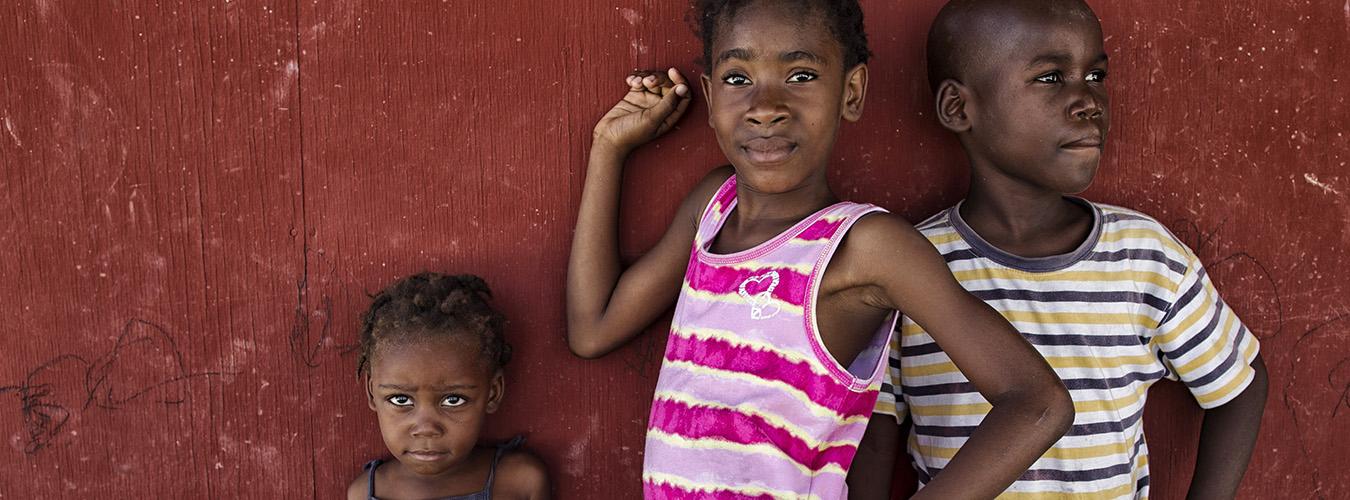
Children in a camp for internally displaced people (IDPs) in Haiti. PHOTO:UN Photo/Logan Abassi
21 March 2021 (United Nations)* — “Youth standing up against racism” is the 2021 theme. It engages the public through #FightRacism, which aims to foster a global culture of tolerance, equality and anti-discrimination and calls on each and every one of us to stand up against racial prejudice and intolerant attitudes.
Participants at a special event on Youth Standing Up for Human Rights. Empowering youth to better know and claim their rights will generate benefits globally. UN Photo/Eskinder Debebe
“Last year, people around the globe took to the streets to protest the vicious global pandemic of racism.
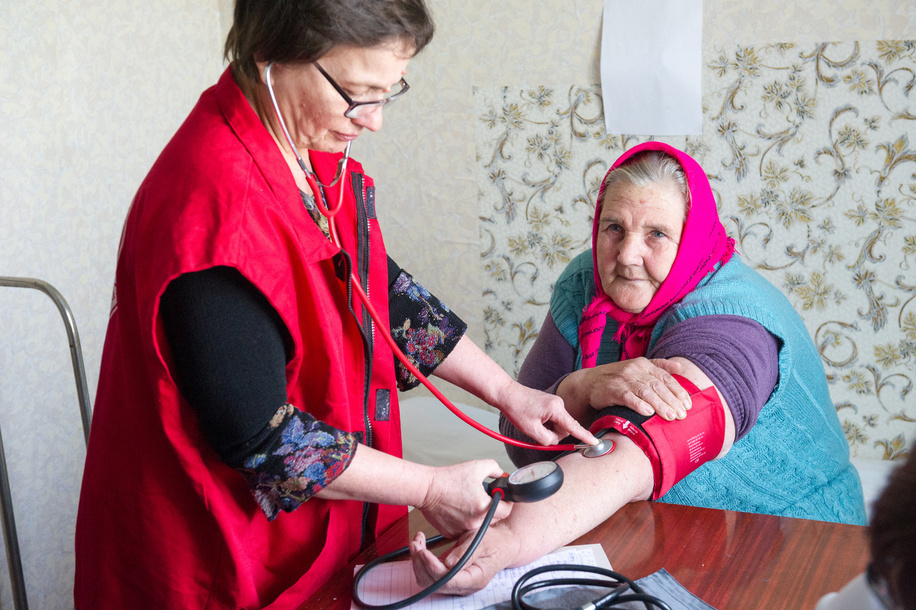
Geneva, Switzerland, 18 March 2021 (WHO)* — Every second person in the world is believed to hold ageist attitudes – leading to poorer physical and mental health and reduced quality of life for older persons, costing societies billions of dollars each year, according to a new United Nations report on ageism.
The report released on 18 March 2021 by WHO, Office of the High Commissioner for Human Rights (OHCHR), United Nations Department of Economic and Social Affairs (UN DESA) and United Nations Population Fund (UNFPA), calls for urgent action to combat ageism and better measurement and reporting to expose ageism for what it is – an insidious scourge on society.
(UN News)* — Access to water is not just about “liquid in a bottle” but instead touches on universal issues such as dignity, opportunity and equality, the UN General Assembly President on 18 March 2021 said, in opening a high-level meeting on ensuring water and sanitation are available to all.
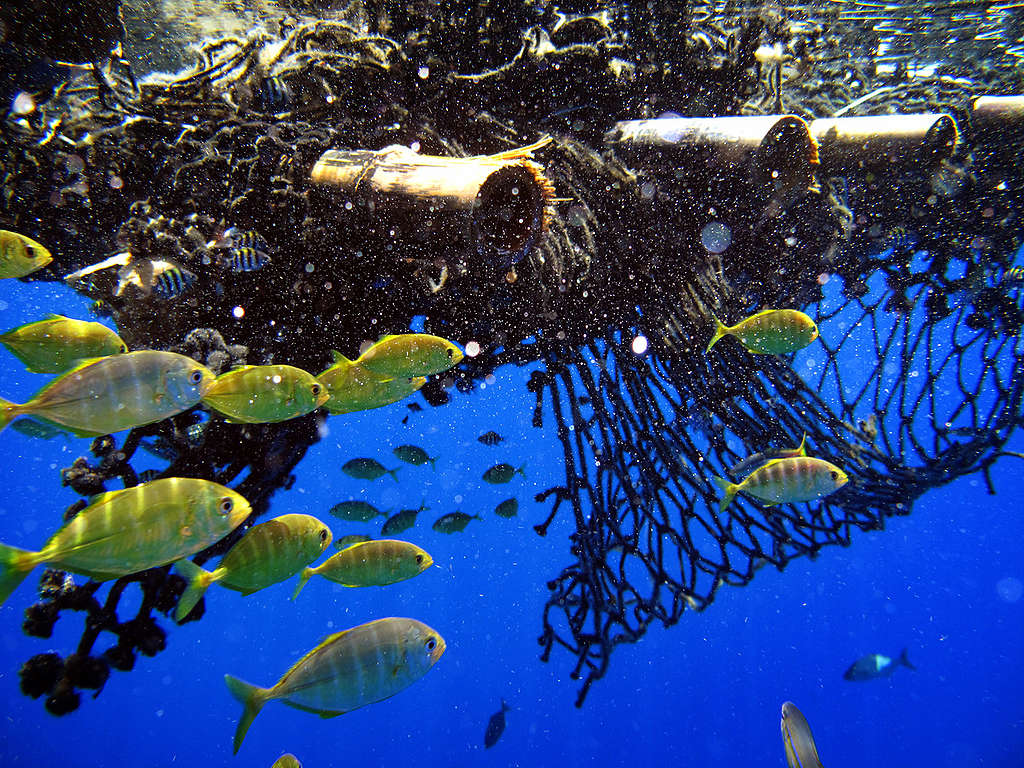
Industrial fishing is emptying our seas of life – ripping up seabeds, decimating wildlife populations and threatening food security for local communities. So why are governments still hoping that they can solve the ocean crisis in discussions dominated by destructive fishing interests?
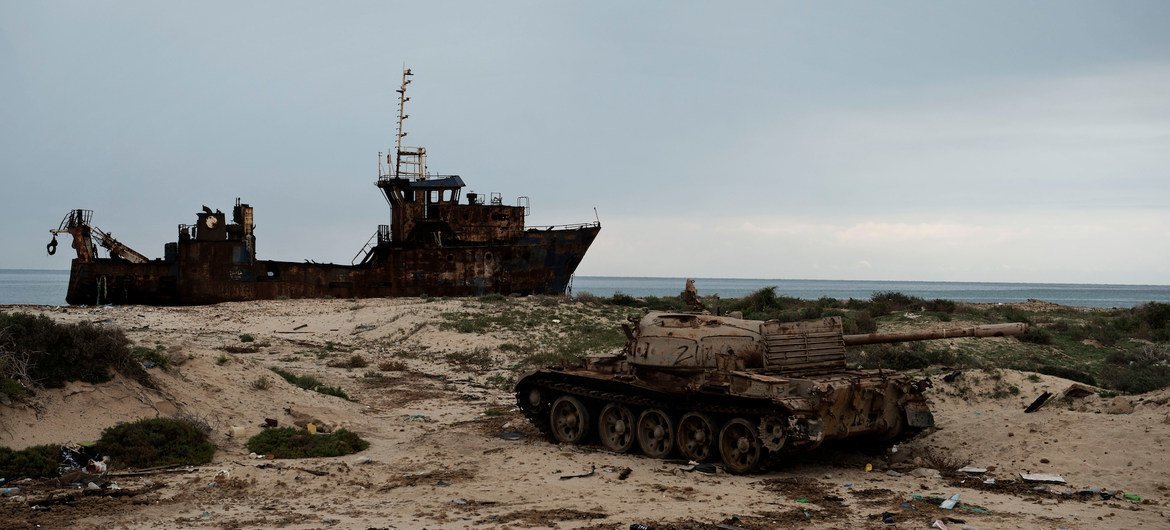
17 March 2021 (UN News)* — An arms embargo imposed on Libya by the Security Council in 2011 remains “totally ineffective” a UN Panel of Experts has said, adding that civilians, including migrants and asylum seekers, continue to suffer widespread rights violations and abuses.
UNICEF/Alessio Romenzi | The rusting hulk of a ship and a destroyed armoured vehicle on the beach in Zuwarah, western Libya. (file photo)
In its final report, the Panel of Experts on Libya – established pursuant to resolution 1973 (2011) – said that throughout its mandate, the body identified “multiple acts” that threatened the peace, stability or security of the country, and increased attacks against State institutions and installations.
“Designated terrorist groups remained active in Libya, albeit with diminished activities. Their acts of violence continue to have a disruptive effect on the stability and security of the country”, it said.
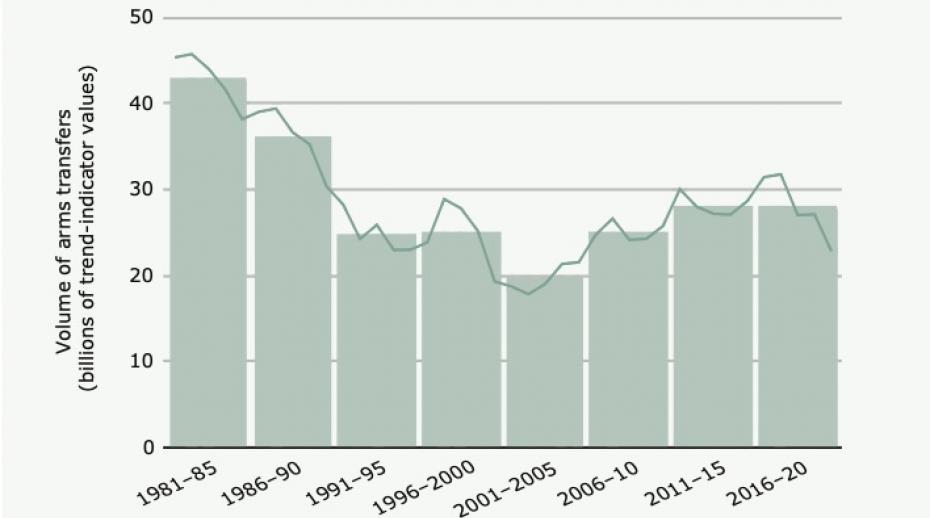
(Stockholm) International transfers of major arms stayed at the same level between 2011–15 and 2016–20. Substantial increases in transfers by three of the top five arms exporters—the USA, France and Germany—were largely offset by declining Russian and Chinese arms exports. Middle Eastern arms imports grew by 25 per cent in the period, driven chiefly by Saudi Arabia (+61 per cent), Egypt (+136 per cent) and Qatar (+361 per cent), according to new data on global arms transfers published on by the Stockholm International Peace Research Institute (SIPRI).
.
The trend in international transfers of major arms, 1981–2020
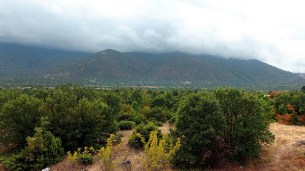 It may seem like drylands are just barren spaces, but they are actually ecosystems teeming with biodiversity. ©FAO


 HUMAN WRONGS WATCH