Nairobi, 25 May 2021 (IOM)* – At least 300,000 migrants across the East and Horn of Africa have been affected by COVID-19 in 2020, according to the International Organization for Migration (IOM)’s annual flagship report on migration trends and population movements in the region, released this week.
Migrants walking in the desert from Alat Ela to Fantahero in Djibouti. Photo: IOM 2020/Alexander BEE
With 250,000 Iraqis still living in camps after fleeing ISIS, sudden closure of 14 sites in late 2020 forced many to return to destroyed homes and villages lacking basic services.
27 May 2021 (UNHCR)* — When 68-year-old famer Dahi finally returned to his village after spending more than three years in a camp south of Mosul for Iraqis who fled ISIS militants, his homecoming was far from the joyous occasion he had long imagined
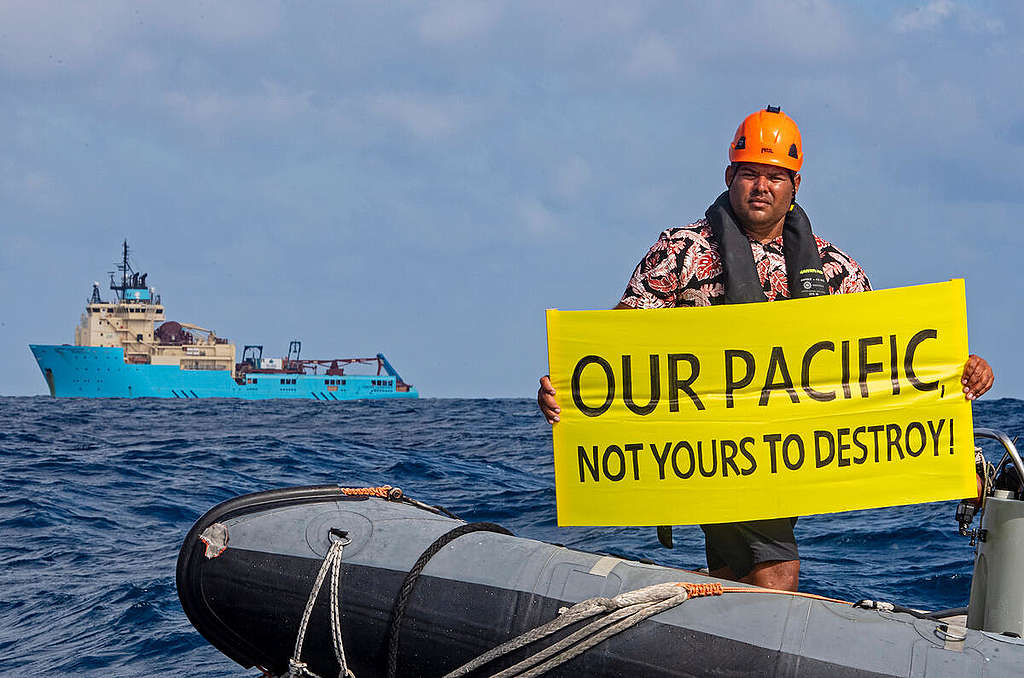
Deep sea mining companies are currently out in the Pacific carrying out tests in an attempt to prove their industry is safe for the environment. A few weeks ago, one of those companies, GSR, lost control of a 25-tonne robot at the bottom of the ocean. Bearing witness to this and confronting this industry at sea is Victor Pickering, a Fijian activist onboard Greenpeace’s Rainbow Warrior ship..
Nairobi (UNEP)* – A new atlas published on 26 May 2021 shows that 54 per cent of the world’s land surface consists of vast tracts of land covered by grass, shrubs or sparse, hardy vegetation that support millions of pastoralists, hunter-gatherers, ranchers and large populations of wildlife–and store large amounts of carbon.
Yet while most climate plans focus on forests, much less importance is given to rangelands, leaving these massive planetary ecosystems supporting people and nature exposed to a wide variety of threats.
Geneva, 27 May 2021 (WMO) – There is about a 40% chance of the annual average global temperature temporarily reaching 1.5°C above the pre industrial levels in at least one of the next five years – and these odds are increasing with time, according to a new climate update issued by the World Meteorological Organization (WMO).
There is a 90% likelihood of at least one year between 2021-2025 becoming the warmest on record, which would dislodge 2016 from the top ranking, according to the Global Annual to Decadal Climate Update, produced by the United Kingdom’s Met Office, the WMO lead centre for such predictions.




 HUMAN WRONGS WATCH