There is clear evidence that climate-related threats are becoming more severe.
One can think of the record-breaking heat waves in Europe and the Americas as well as in China. One can think of drought and falling water tables, which are threatening agriculture in very many countries.
And one can also think of the poles, which are warming four times faster than the remainder of the world.
There is a danger that coastal cities everywhere will soon be flooded because of rapidly melting polar ice, as is discussed in my book, “Warnings from the Poles.”
What are we to do? What actions can we take to avoid a climate catastrophe? Below is a list of helpful actions that can and should be taken.
MADRID, Sep 7 2022 (IPS)* – More than two-thirds of 10-year-olds are unable to read and understand a simple text. This shocking finding should be enough to be alarmed about the horrifying fate of an entire generation. But there is much more.
There are 244 million children out of school. Credit: Shafiqul Alam Kiron/IPS
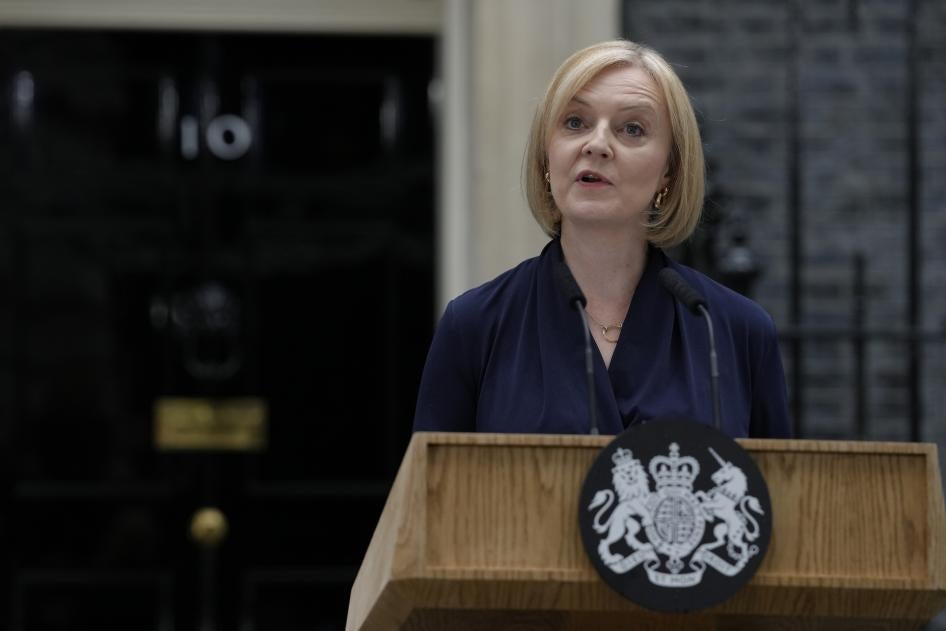
6 September 2022 — As the United Kingdom’s new Prime Minister Liz Truss names her cabinet, she has an opportunity to halt the systematic destruction of freedoms that have been hard won over decades in the UK, and to redefine how the office of Prime Minister is viewed at home and abroad.
The US “Afghanistan War Commission,” created in December 2021 to examine “key strategic, diplomatic, and operational decisions” the US made in Afghanistan, and to develop “lessons learned and recommendations for the way forward,” is beginning its work.
One priority should be to examine US government pledges on women’s and girls’ rights in Afghanistan.
MADRID, Sep 6 2022 (IPS)* – Both the mainstream media, the international bodies and the human rights defenders continue to rightly denounce the Taliban’s inhuman abuses against the Afghan people’s basic rights, in particular those of women and girls.
.
Over one year after the Taliban takeover, an estimated 24.4 million people – 59 per cent of the population in Afghanistan – are dependent on international aid and emergency relief in their day-to-day lives. Credit: UNAMA/Fraidoon Poya
In doing so, they use a similar vocabulary, saying that since the Taliban “seized the power” on 15 August 2021 everything has collapsed. Shouldn’t it be more accurate to say that the power was “knowingly” “delivered” to them by the United States following negotiations between the two parties under Donald Trump’s administration?
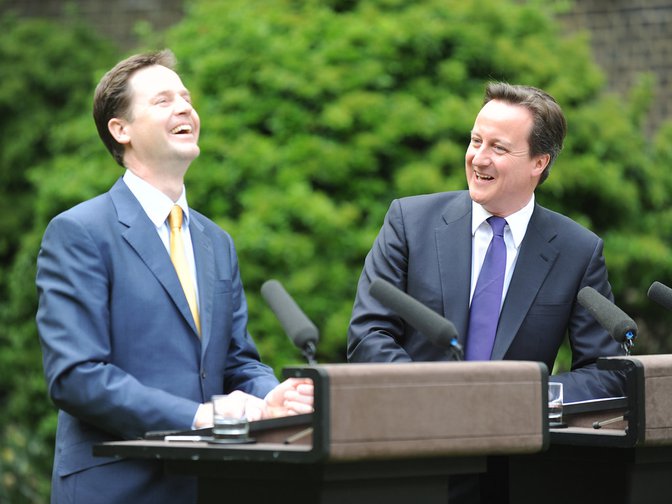
Growing anger over rising inequality makes the UK a testing ground for late-stage capitalist economic model.
Nick Clegg and David Cameron’s coalition win in 2010 heralded the return of Thatcherite policies | Creative Commons (CC BY-NC-ND 2.0)
(openDemocracy)* — When the British environmentalist and TV presenter, Chris Packham, tweeted a link to a striking video of sewage gushing out of a pipe onto a sandy beach in Sussex last week, it caused quite the stir.
By mid-week, the video had surpassed five million views – the latest demonstration of a change in public attitudes to the privatised water companies.
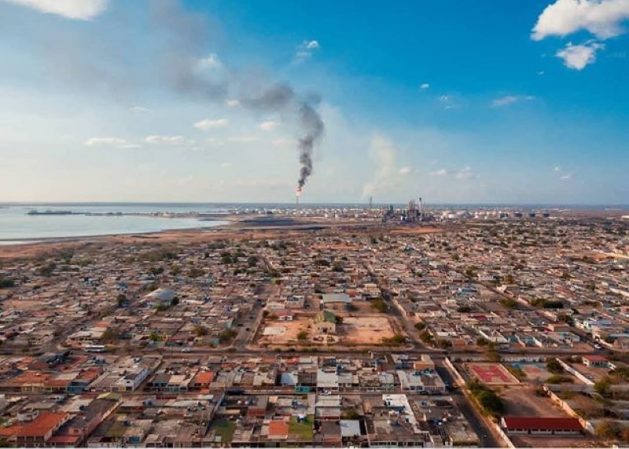
CARACAS, Sep 3 2022 (IPS)* – Venezuela is preparing to replicate the experience of Special Economic Zones (SEZs), a mechanism with which more than 60 countries have tried to draw investment and accelerate economic growth, while under its avowedly socialist government a “silent neoliberalism” is gaining ground. | En español
.
A partial view of the city of Punto Fijo, with the Cardón refinery in the background, on the Paraguaná peninsula, projected as a special economic zone overlooking the Caribbean in northwest Venezuela. CREDIT: Megaconstrucciones
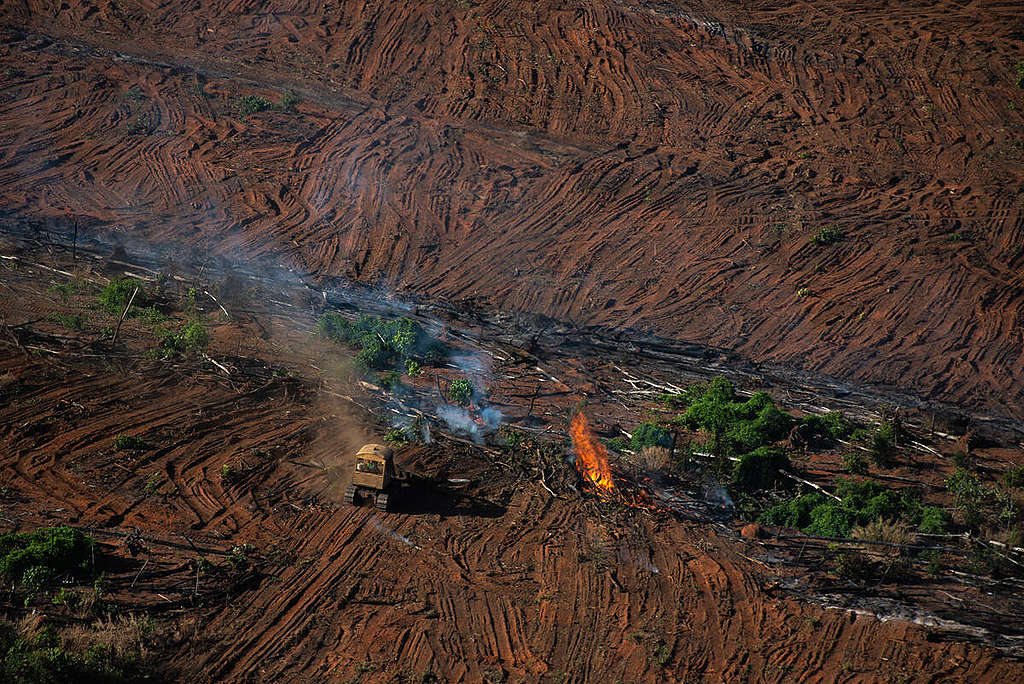
The world’s largest intact forest, the Amazon plays a key role in regulating the global climate. It is home to Indigenous Peoples and traditional communities whose land stewardship practices can lead us all toward a more sustainable future. It is perhaps the world’s most biodiverse region yet also a place where there are likely still many species unknown to science.
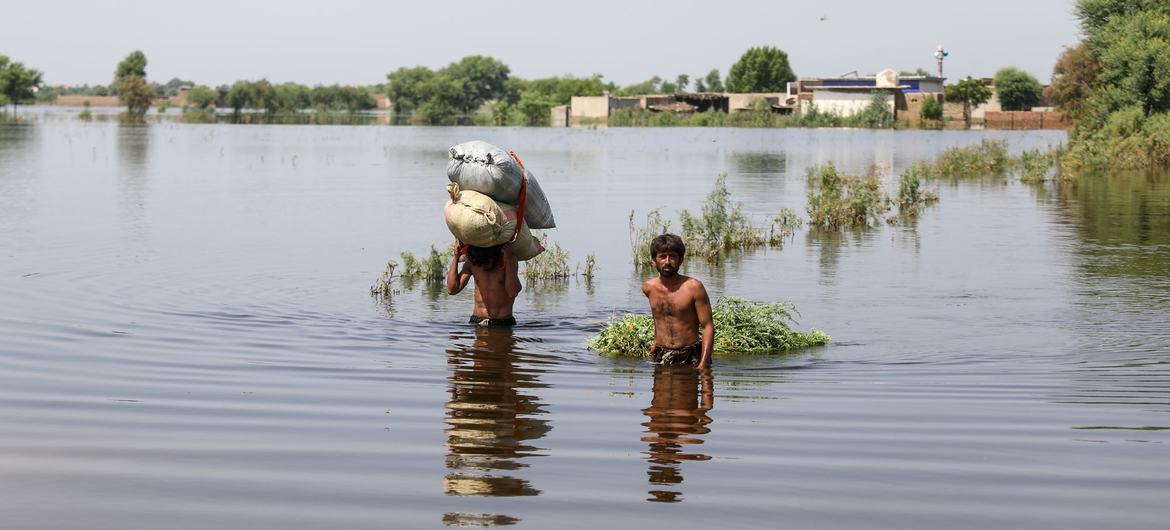
(UN News)* — The scale of the humanitarian crisis in Pakistan is unprecedented, with a third of the country under water, UN humanitarians warned on Friday [2 September 2022].
With more than 33 million people impacted, that represents 15 per cent of the total Pakistani population, said Dr. Palitha Mahipala, World Health Organization (WHO) Representative in the country.
Some “6.4 plus million people are in dire need of humanitarian aid”, he said, speaking from Islamabad to journalists in Geneva.




 HUMAN WRONGS WATCH