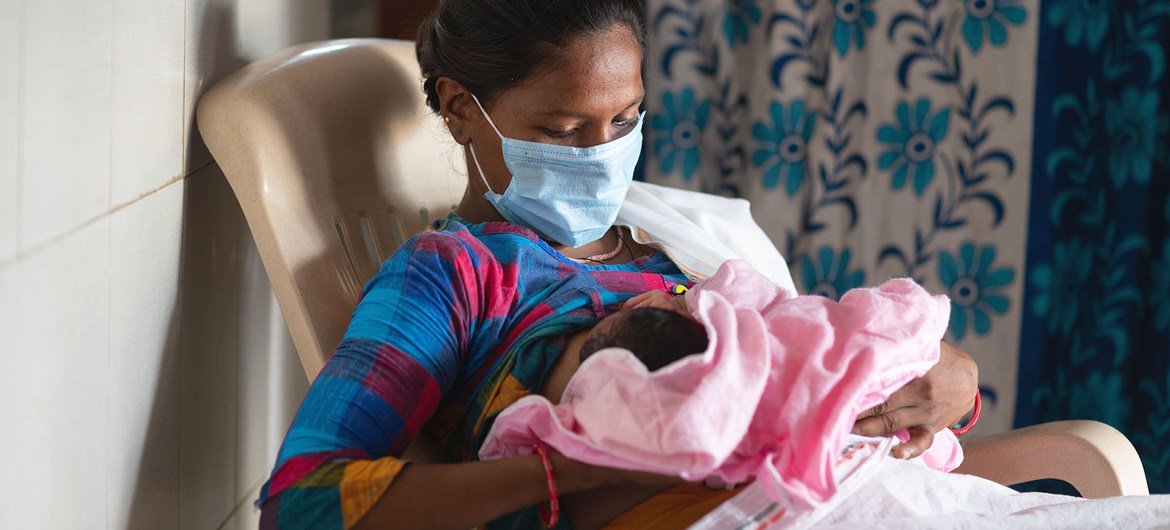
(WHO)* — The theme of World Breastfeeding Week 2020 is “Support breastfeeding for a healthier planet”. In line with this theme, WHO and UNICEF are calling on governments to protect and promote women’s access to skilled breastfeeding counselling, a critical component of breastfeeding support.
Breastfeeding provides every child with the best possible start in life. It delivers health, nutritional and emotional benefits to both children and mothers. And it forms part of a sustainable food system.
But while breastfeeding is a natural process, it is not always easy. Mothers need support – both to get started and to sustain breastfeeding.
Skilled counselling services can ensure that mothers and families receive this support, along with the information, the advice, and the reassurance they need to nourish their babies optimally.
2 August 2021 (UN News)* — Two senior UN officials are urging Governments to make breastfeeding-friendly environments a priority, in line with commitments made earlier this year to accelerate global progress on malnutrition.
Henrietta Fore, Executive Director of the UN Children’s Fund, UNICEF, and Tedros Adhanom Ghebreyesus, Director-General of the World Health Organization (WHO), issued the reminder in a joint statement for World Breastfeeding Week, which runs through 7 August.
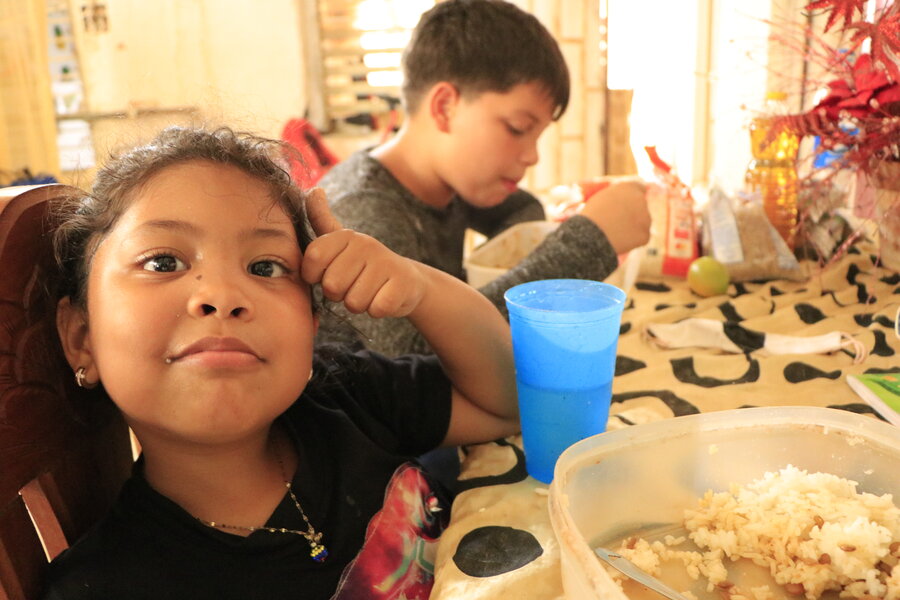
The World Food Programme launched its school meals programme in Venezuela, carrying out the first distributions of take-home rations in the state of Falcon.
Kim wants to become a ballet dancer. Photo: WFP/Alexis Masciarelli
Sitting in the kitchen, Kim watches attentively as her mother empties the large blue bag they just went to collect at her school. “One, two, three, four. That’s lentils. One, two, three, four, five, six… That’s rice!”, counts the 5-year-old girl pointing at the food piling up on the table.
The recipient of the £1000 HUFUD Peace Award will be announced on 30 November 2021.
True to its name, HUFUD-Humanity United for Universal Demilitarisation’s message remains constant. We must achieve what we propose: to live in a NON-MILITARISED planet.
We are looking for bright and imaginative Peace Seekers to come up with innovative plans for the planet to be free of Armed Forces – that is, free of wars, politically concocted as well as those of a private initiative.
The plans would advise all governments how to end the Arms Industry, meaning the end of NATO, of the United Nations Security Council, and of all armies in the world.
The proposals should explain why the end of Militarism is the only possible way to prevent governments from abusing the UN Universal Declaration of Human Rights.
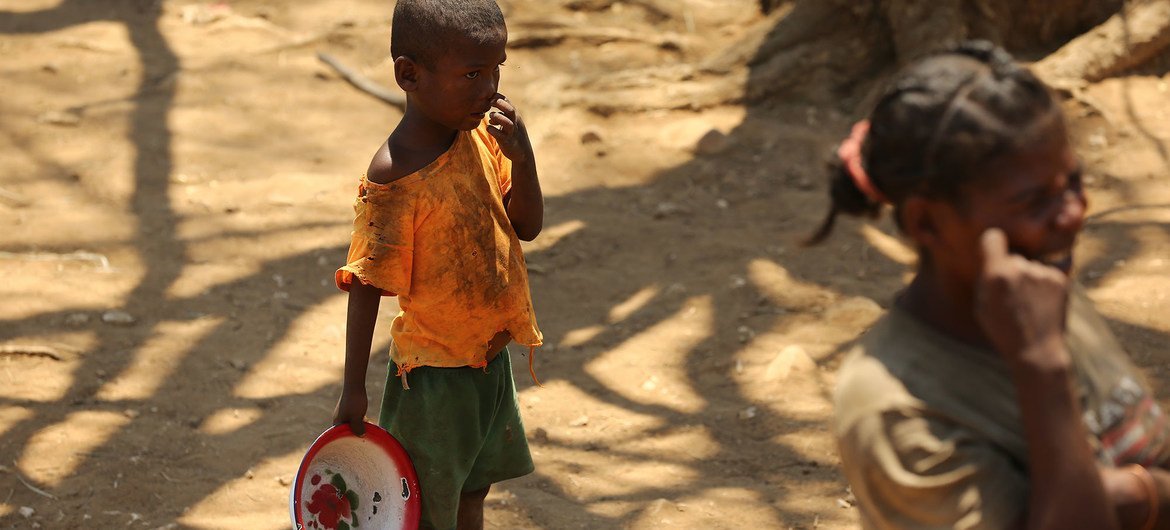
Conflict, COVID-19, climate crisis likely to drive higher levels of acute food insecurity in 23 hunger hotspots – new report
.
WFP/Tsiory Andriantsoarana
.
ROME (WFP)* – Efforts to fight a global surge in acute food insecurity are being stymied in several countries by fighting and blockades that cut off life-saving aid to families on the brink of famine, warn the UN’s Food and Agriculture Organization (FAO) and World Food Programme (WFP) in a new report issued on .
Bureaucratic obstacles as well as a lack of funding also hamper the two UN agencies’ efforts to provide emergency food assistance and enable farmers to plant at scale and at the right time.
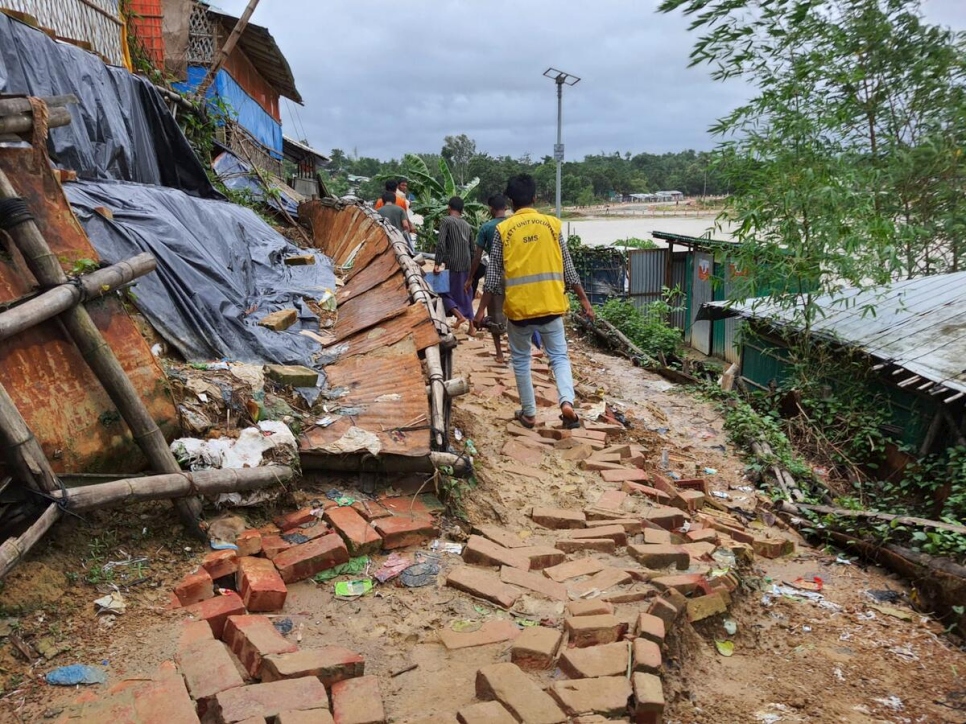
30 July 2021 (UNHCR)* — Heavy monsoon rains had been falling incessantly for days when Meher Khatun, 60, noticed water starting to come into the bamboo and tarpaulin shelter she shares with her son, daughter-in-law and grandchild in a refugee camp in Bangladesh’s Cox’s Bazar District.
NEW DELHI, India, Jul 30 2021 (IPS)* – Branded as being born ‘criminal’ 150 years ago under British colonial rule, De-Notified Tribes (DNTs) continue to bear the brunt of the various laws that stigmatised them since 1871.
.
A girl from the Nat community performing – Credit: Department for Social Justice
Dakxin Chhara, the award-winning filmmaker and DNT activist, shared how the DNT community in India continues living an abysmal existence because of a centuries-old criminality stigma.
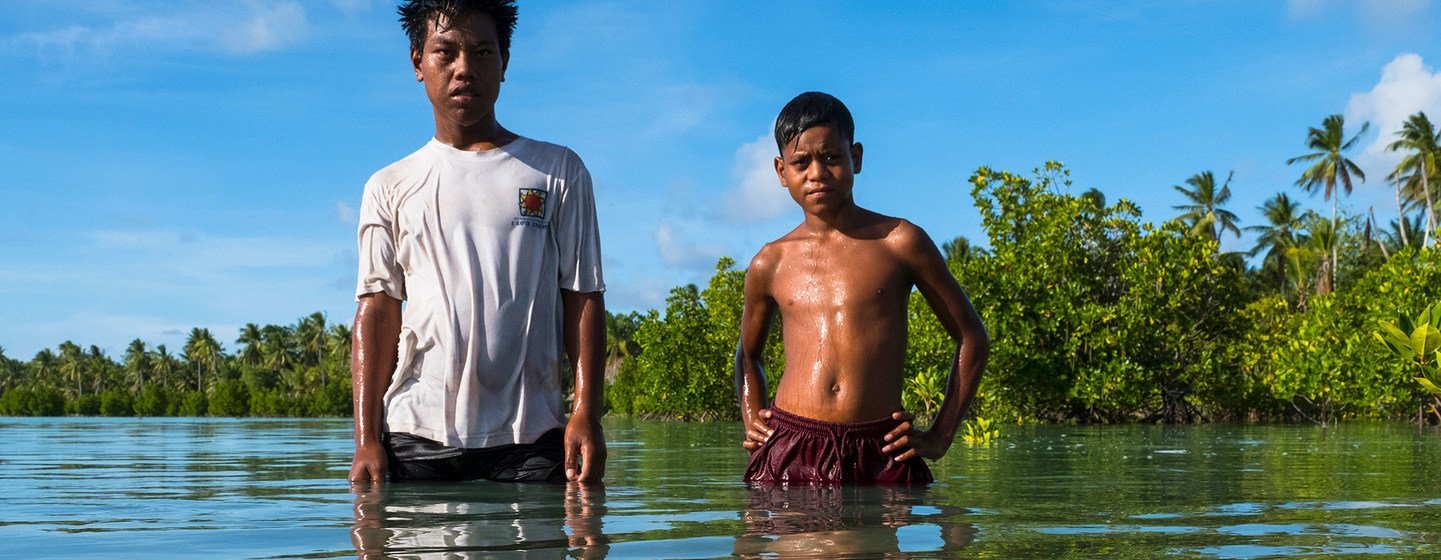
31 July 2021 (UN News)* — Small island nations across the world are bearing the brunt of the climate crisis, and their problems have been accentuated by the COVID-19 pandemic, which has severely affected their economies, and their capacity to protect themselves from possible extinction. We take a look at some of the many challenges they face, and how they could be overcome.
The 38 member states and 22 associate members that the UN has designated as Small Island Developing States or SIDS are caught in a cruel paradox: they are collectively responsible for less than one per cent of global carbon emissions, but they are suffering severely from the effects of climate change, to the extent that they could become uninhabitable.
KABUL– Civilian casualties in Afghanistan in the first half of 2021 reached record levels, including a particularly sharp increase in killings and injuries since May when international military forces began their withdrawal and the fighting intensified following the Taliban’s offensive.
In a new report issued on 26 July 2021, the United Nations warns that without a significant de-escalation in violence Afghanistan is on course for 2021 to witness the highest ever number of documented civilian casualties in a single year since UNAMA records began.
30 July 2021 (UN News)* — It’s been six months since the military coup in Myanmar where there’s grave concern over the widening impact of the deepening political, human rights and humanitarian crisis affecting the country’s people.
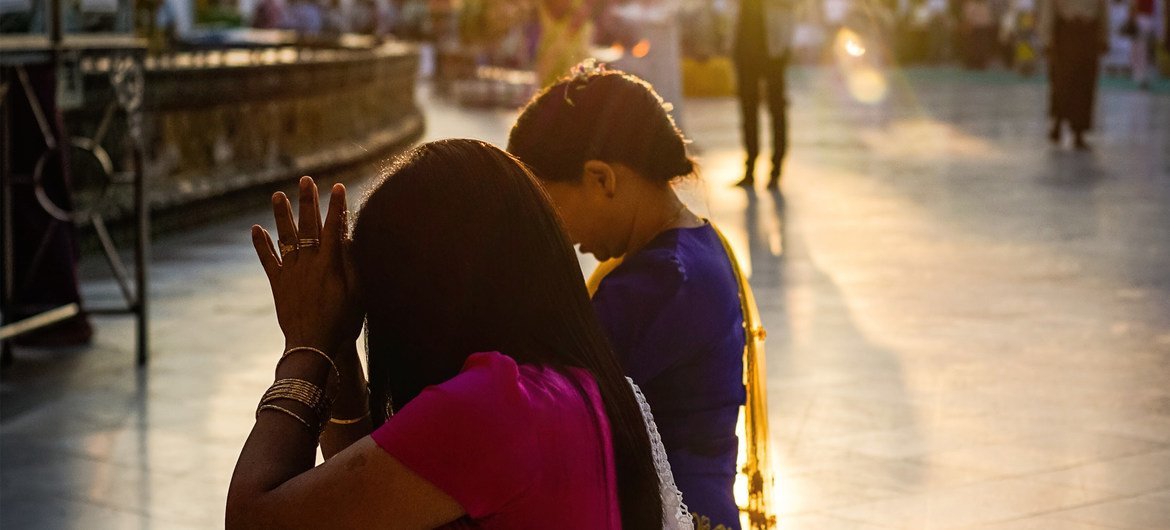
Unsplash/Matteo Massimi | People praying in the grounds of a temple in Yangon, Myanmar, the country’s largest city.
Speaking to UN News, the organisation’s top aid official in Myanmar, Acting Humanitarian and Resident Coordinator Ramanathan Balakrishnan, described how people have been severely impacted across the country since the junta’s power grab on 1 February.



 HUMAN WRONGS WATCH