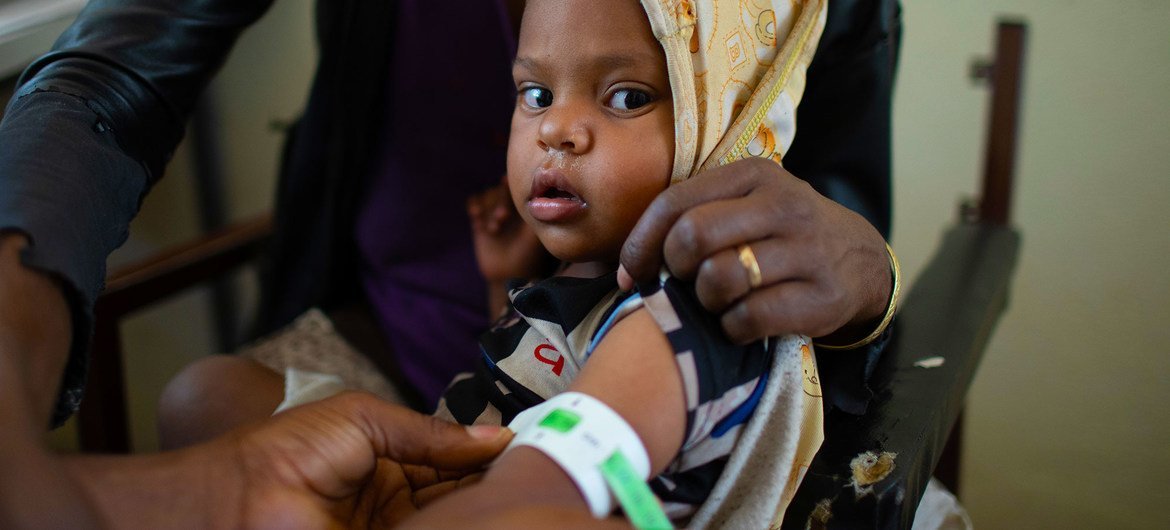
(UN News)* — More than 100,000 children in Tigray, Ethiopia, could suffer from life-threatening severe acute malnutrition in the next 12 months, a tenfold jump over average annual levels, UN Children’s Fund (UNICEF) said on Friday 30 July 2021.
The development comes as UNICEF announced that it had recently reached areas of Tigray that were previously inaccessible owing to insecurity linked to nearly nine months of conflict between Government forces and those loyal to the Tigray People’s Liberation Front, or TPLF.
UNICEF spokesperson Marixie Mercado told a UN briefing in Geneva that humanitarians’ worst fears about the health and wellbeing of children have been realized.
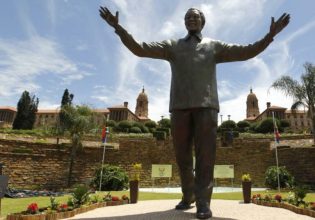
The Values Espoused by Madiba[1] Are Burnt in the Civil Unrest
The cold, wintry South African weather experienced last week was the background setting for the serious, nationwide riots, in the midst of the Third Wave of SARS Cov-2 pandemic, with the Delta variant[2], wreaking havoc amongst the large unvaccinated population of South Africa.
Statue of Mandela Outside the Union Building in Pretoria RSA
(Athens) – The Greek government should urgently reform discriminatory policies so that children seeking asylum can go to school when the new year begins on September 13, 2021, Human Rights Watch on 29 July 2021 said.
New coalition to scale up programmes across the world
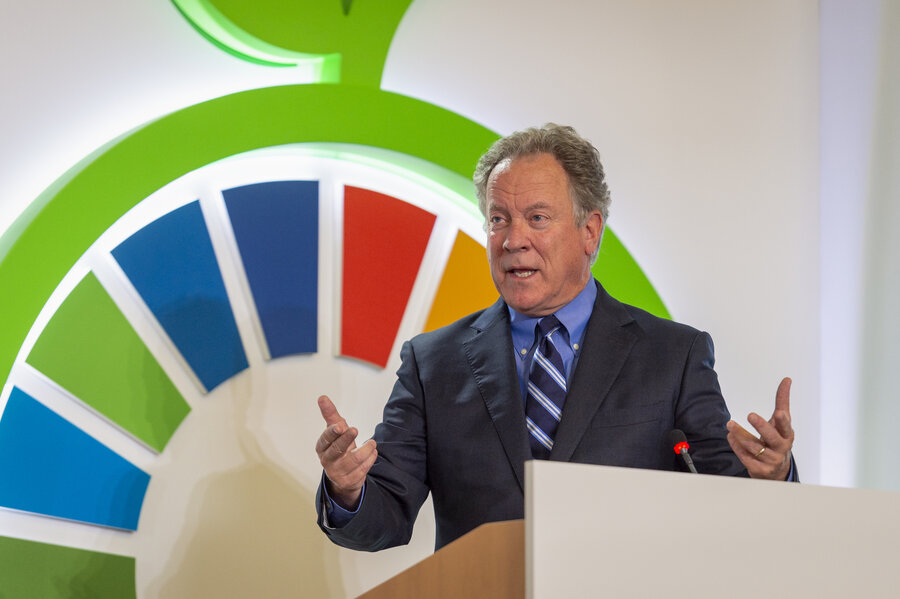
WFP Executive Director David Beasley describes the importance of school meals during a session on the new School Meals Coalition, as part of the UN Food Systems Pre-Summit in Rome. Photo: WFP/Giulio d’Adamo
The price of failing to fund children’s school meals far outweighs the cost of such programmes, World Food Programme (WFP) Executive Director David Beasley said on 28 July 2021.
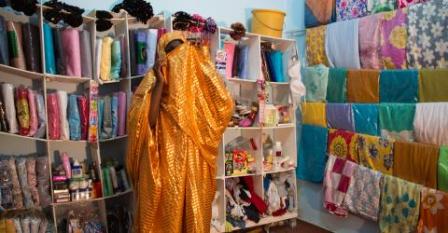
Nasra suffered from distance, pressure, racism and injustice in a context she thought was safe. In her migratory journey, she was a victim of trafficking. Photo: Sibylle Desjardins / IOM
“I wanted to go to France to continue my education, but I failed to secure the required resources and support,” she says.
“I couldn’t make the journey through regular channels so friends proposed we travel through Libya. We sold an uncle’s vehicle to pay XOF 1,000,000 (EUR 1,500) to a Burkinabé smuggler.”
Life then took a grim turn. Mariam travelled through Algeria and Libya, where she was sequestered under harsh and humiliating conditions. She was trafficked, primarily for prostitution and sexual slavery.
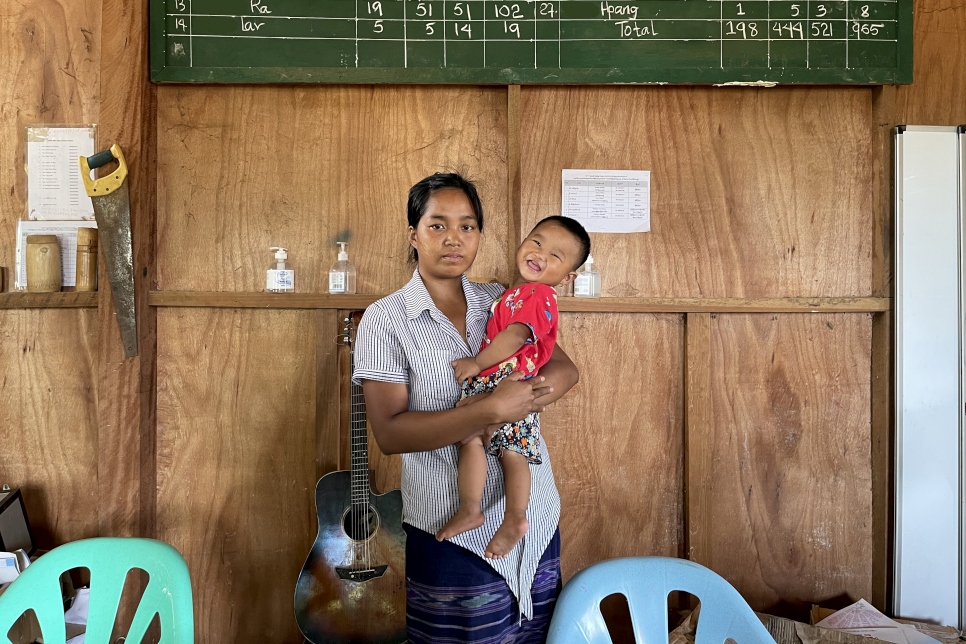
By Reuben Lim Wende in Myitkyina, Myanmar | UNHCR*
UNHCR is partnering with local communities and faith groups to help an estimated 200,000 people driven from their homes by fresh violence since February’s military takeover.| Español | Français | عربي
Armed conflict is sadly nothing new for 27-year-old Nway Nway Htay. An ethnic Rakhine woman originally from Myanmar’s western Rakhine State, she became familiar with the sounds of artillery and gunfire as the Myanmar Armed Forces, locally known as the Tatmadaw, battled ethnic armed groups in her native state. Security was something she constantly worried about.
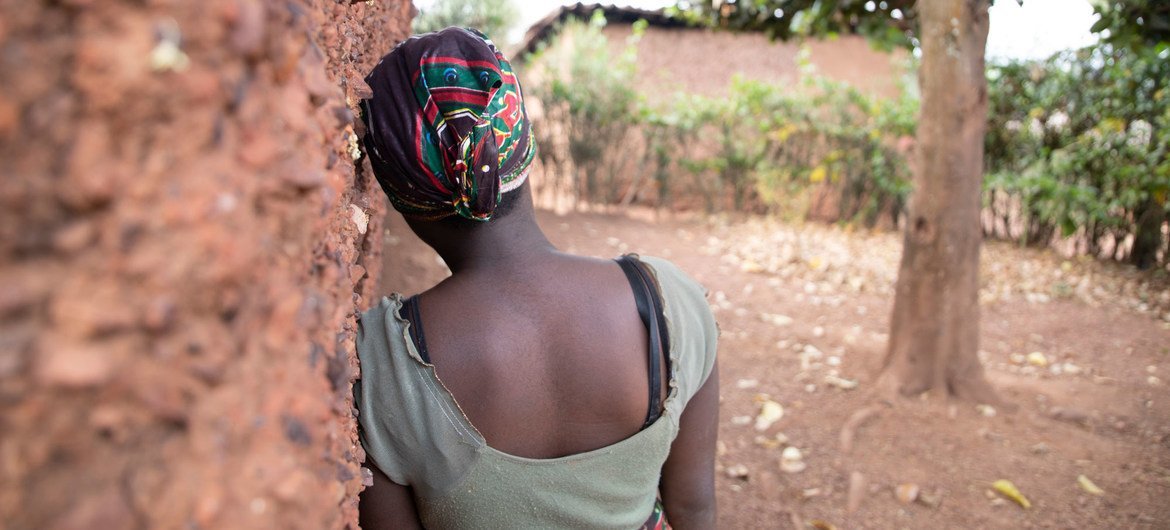
30 July 2021 (UN News)* — A teenage girl who was sold for sex for the price of a few beers as a twelve-year-old, has told the United Nations how she was trafficked between Burundi and Tanzania in East Africa.
Munni was married at age 14, but her husband left her when she became pregnant – she was later sold to a brothel by a man offering to find her a job. Photo: UNICEF/Shehzad Noorani
(United Nations)* — Human trafficking is a crime that exploits women, children and men for numerous purposes including forced labour and sex. Since 2003 the UN Office on Drugs and Crime (UNODC) has collected information on about 225,000 victims of trafficking detected worldwide.
Globally countries are detecting and reporting more victims and are convicting more traffickers. This can be the result of increased capacity to identify victims and/or an increased number of trafficked victims.
In the midst of a global pandemic, accompanied by rising inequalities and economic devastation, the voices of human trafficking survivors and victims risk being drowned out.
But listening to their stories is more crucial than ever as the COVID-19 crisis increases fragilities and drives up desperation.
As many as 124 million more people have been pushed into extreme poverty by the pandemic, leaving many millions vulnerable to trafficking.
Children are at great and growing risk: they represent one-third of victims globally — a share that has tripled in the last 15 years. Half of victims in low-income countries are children, most of whom are trafficked for forced labour.


 HUMAN WRONGS WATCH