1 April 2020 (UN Environment)* — Are you stuck in self isolation to help flatten the coronavirus curve? On official quarantine or lockdown? Are you taking on a new role as “home school teacher due to school closures? Here are a few ways to bring the outside in — enjoyable for learners of all ages.
Shady Rabab with a flute made from an old plastic bottle. Photo by UNEP
Explore the underwater world from the comfort of your home.
The COVID-19 pandemic is exacerbating already existing inequalities – from catching the virus, to staying alive, to coping with its dramatic economic consequences. Policy responses must ensure that support reaches the workers and enterprises who need it most.
.
GENEVA, 30 March 2020 (ILO)* – In many countries, income inequality has risen steeply since the 1980s, with adverse social and economic consequences. The COVID-19 pandemic now cruelly highlights those inequalities – from catching the virus, to staying alive, to coping with its dramatic economic consequences.
Joint press release from OHCHR, IOM, UNHCR and WHO
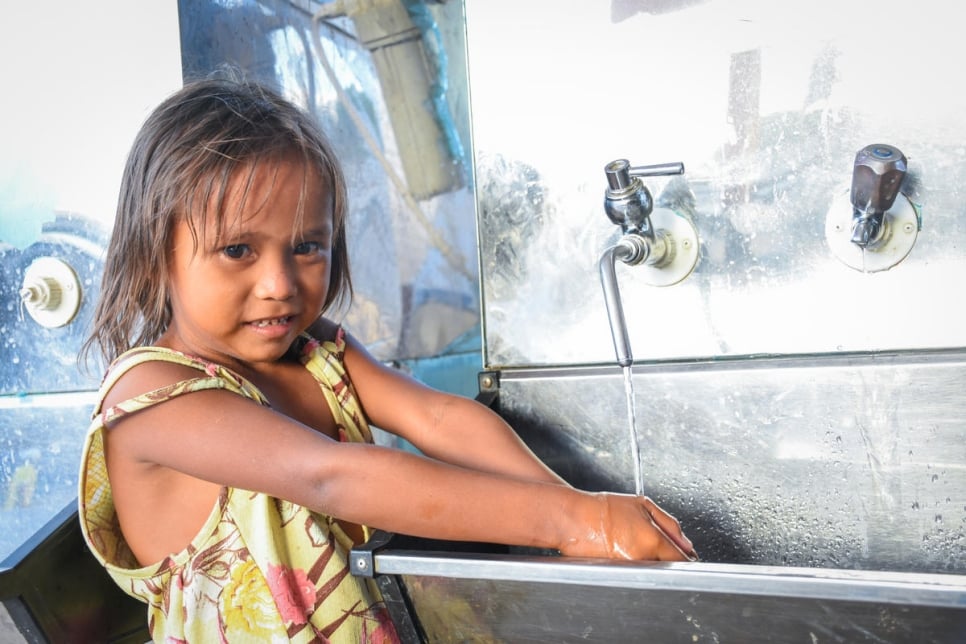
31 March 2020 (UNHCR)* — In the face of the COVID-19 crisis, we are all vulnerable. The virus has shown that it does not discriminate – but many refugees, those forcibly displaced, the stateless and migrants are at heightened risk. | Español | Français |عربي
(UN News)* — As the world exhibits new bonds of solidarity in response to the coronavirus pandemic, it is a matter of “humanitarian and practical urgency to lift unilateral economic sanctions immediately,” to prevent hunger crises in pandemic-hit countries, a UN human rights expert, said on Tuesday [31 March 2020].
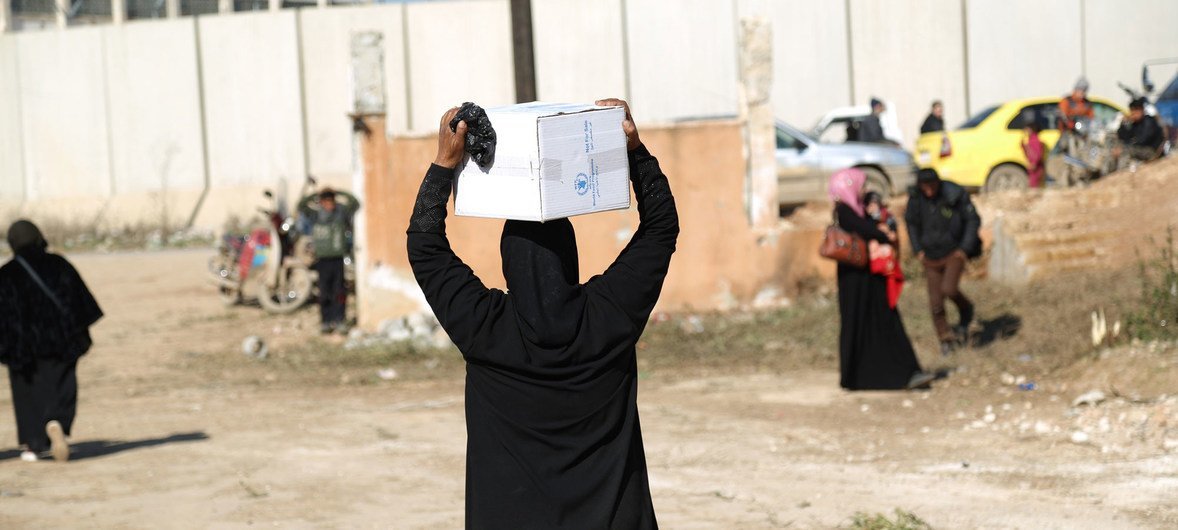
WFP/Beyaz | The UN World Food Programme (WFP) and partners are working around the clock to provide food to displaced families in northwest Syria.
The continued imposition of such measures on Syria, Venezuela, Iran, Cuba and Zimbabwe in particular, severely undermines the fundamental right to sufficient and adequate food, Hilal Elver, the UN Special Rapporteur on the Right to Food, stressed.

 HUMAN WRONGS WATCH