As everyone knows, Adam Smith invented the theory that individual self-interest is, and ought to be, the main motivating force of human economic activity, and that this, in effect, serves the wider social interest. He put forward a detailed description of this concept in an immense book, “The Wealth of Nations” (1776).
Adam Smith (1723-1790) had been Professor of Logic at the University of Glasgow, but in 1764 he withdrew from his position at the university to become the tutor of the young Duke of Buccleuch.
In those days a Grand Tour of Europe was considered to be an important part of the education of a young nobleman, and Smith accompanied Buccleuch to the Continent. To while away the occasional dull intervals of the tour, Adam Smith began to write an enormous book on economics which he finally completed twelve years later.
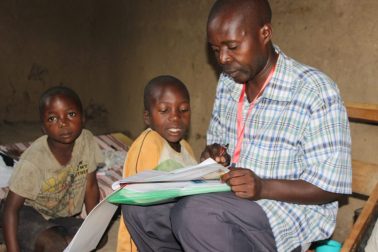
KAMPALA/KIKUBE/RWAMWANJA, Uganda , Dec 21 2020 (IPS)* – Thirteen-year-old Wita Kasanganjo is a pupil at Maratatu Primary School in the Kyangwali Refugee Settlement based in Uganda’s Hoima district. But last month, when Uganda’s President Yoweri Museveni ordered the re-opening of schools for the first time since the mid-March nationwide closure, Kasanganjo was not part of the returning group of students. The government, in a cautious lifting of coronavirus lockdown restrictions, has allowed only pupils who are part of the final year or candidate classes to return to their schooling.
21 December 2020 (UNEP)* — In 2014, coral reefs around the world turned a pallid white from heat stress. The bleaching began in the Pacific and rapidly spread across the Indian and Atlantic oceans. The so-called Third Global Bleaching Event lasted for 36 months, marking the longest, most pervasive and destructive coral bleaching incident ever recorded.
Though over now, the world’s reefs remain in hot water.
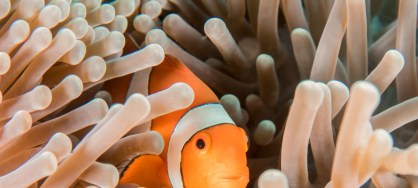
Photo by Sebastian Pena Lambarri / Unsplash / 21 Dec 2020
A new United Nations Environment Programme (UNEP) report says worldwide mass bleaching events, like the one that began in 2014, could become the norm in the coming decades.
The report’s updated climate models demonstrate that coral bleaching is happening faster than anticipated and the future health of the world’s reefs is inextricably tied to reducing greenhouse gas emissions.
19 December 2020 (Wall Street International)* — Life and livelihood are tied in the same thread in recent times. There have been various problems and worries about livelihood. Many lives have stopped for Covid-19. This epidemic time explains that life is a struggle for survival. So, we have to struggle and survive. This world is very cruel today. However, many people have been accustomed to and familiar with this cruelty for many years.
18 December 2020 (UN News)* — The end of the pandemic is in sight but we must not let our guard down, the head of the World Health Organization (WHO) said on 18 December 2020, as he welcomed the news that the global vaccine partnership COVAX has lined up almost two billion doses of existing and candidate vaccines for use worldwide.
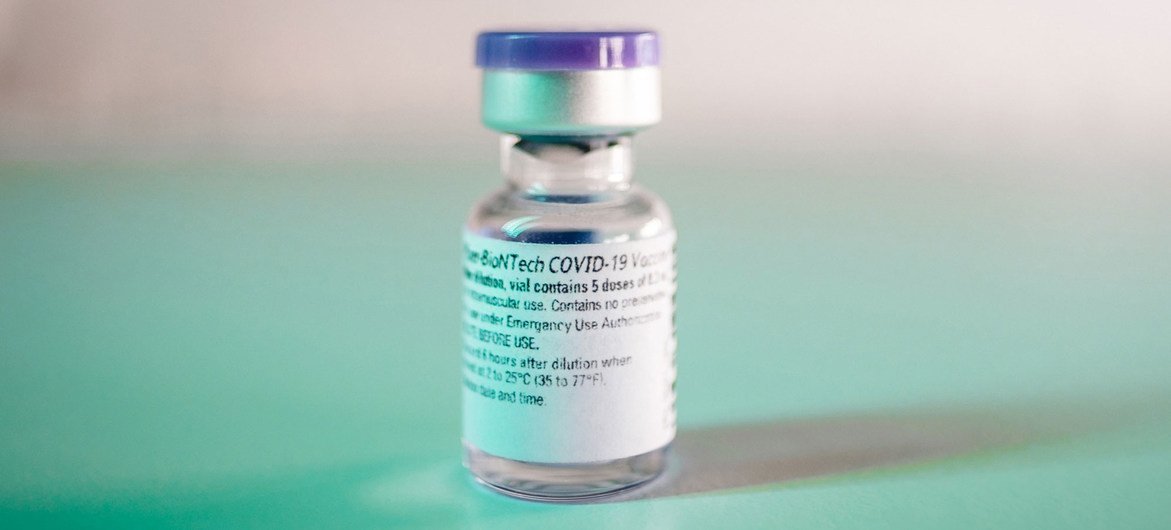
BioNTech | The Pfizer-BioNTech COVID-19 vaccine is the first vaccine to be made readily available in some parts of the world.
The huge vaccine reservoir means that COVAX, a 190-country international initiative that seeks to ensure all countries have equal access to coronavirus vaccines, can plan to start delivering the shots in the first quarter of 2021.
8 December 2020 (WHO)* — Once a vaccine has reached pre-approval stage following clinical trials, it is assessed by the relevant regulatory body for compliance with quality, safety and efficacy criteria.
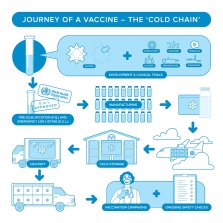
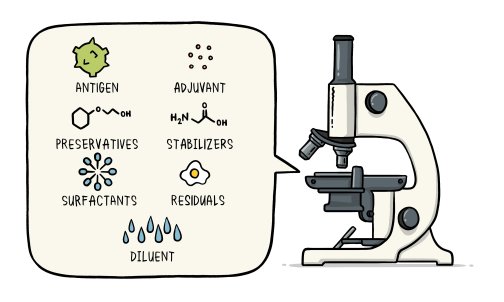
This article is part two in a series of explainers on vaccine development and distribution.Part onefocused on how vaccines work to protect our bodies from disease-carrying germs. This article focuses on the ingredients in a vaccine and the three clinical trial phases. Part three outlines the next part of the vaccine journey: the steps from completing the clinical trial phases through to distribution.
8 December 2020 (WHO)* — Vaccines contain tiny fragments of the disease-causing organism or the blueprints for making the tiny fragments.
They also contain other ingredients to keep the vaccine safe and effective. These latter ingredients are included in most vaccines and have been used for decades in billions of doses of vaccine.
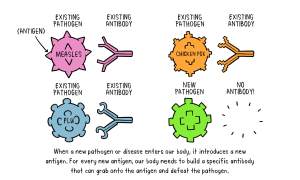
This article is part one in a series of explainers on vaccine development and distribution. This article focuses on how vaccines work to protect our bodies from disease-carrying germs. Part twofocused on the ingredients in a vaccine and the three clinical trial phases. Part three outlines the next part of the vaccine journey: the steps from completing the clinical trial phases through to distribution.
8 December 2020 (WHO)* — Germs are all around us, both in our environment and in our bodies. When a person is susceptible and they encounter a harmful organism, it can lead to disease and death.


 HUMAN WRONGS WATCH