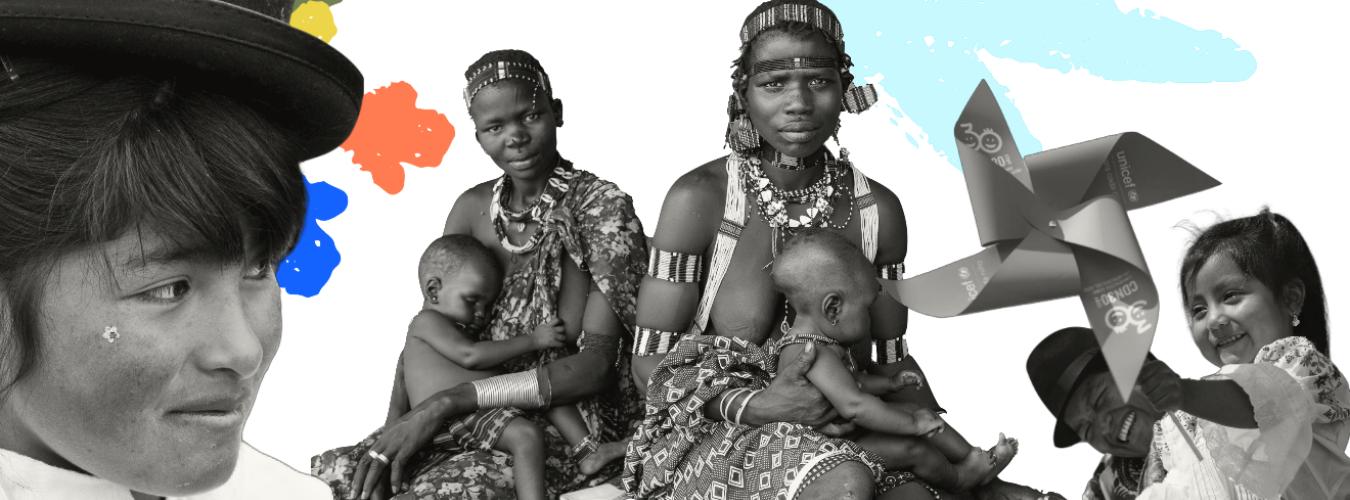
Indigenous peoples consider 22% of the world’s land surface their home. They live in areas where around 80% of the planet’s biodiversity is found on not-commercially-exploited land. UN Composition with photographs by Manuel Elias, Alessia Pierdomenico, Evan Schneider and Marcel Crozet (left to right.)
There are an estimated 476 million indigenous peoples in the world living across 90 countries. They make up less than 5 per cent of the world’s population, but account for 15 per cent of the poorest. UN Composition with Creative Common photographs
Indigenous peoples around the world continue to face overwhelming marginalization, discrimination and exclusion.
Rooted in colonialism and patriarchy, these profound disparities are sustained by a deeply held resistance to recognizing and respecting the rights, dignity, and freedoms of indigenous peoples.
A centuries-old marginalization and a set of different vulnerabilities expose indigenous peoples to the serious effects of the COVID-19 pandemic. PHOTO:UN Composition with photographs by PAHO (left), Martine Perret (center) and UNICEF Ecuador-Arcos (right)
(United Nations)* — There are over 476 million indigenous peoples living in 90 countries across the world, accounting for 6.2 per cent of the global population.
Indigenous peoples are the holders of a vast diversity of unique cultures, traditions, languages and knowledge systems.
They have a special relationship with their lands and hold diverse concepts of development based on their own worldviews and priorities.
It’s not too late to rein in these unaccountable armed giants, but we need to act fast
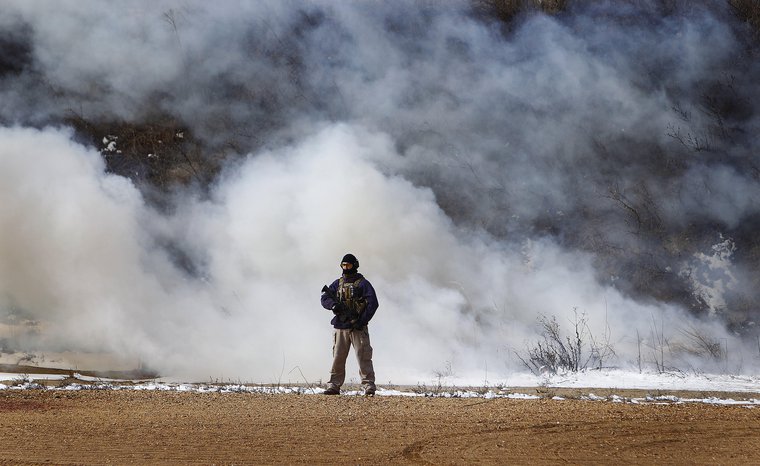
A Tier 1 Group instructor at one of the company’s training sites in Arkansas, US | The Commercial Appeal/ZUMAPRESS.com/Alamy
6 August 2021 (openDemocracy)* — When the journalist Jamal Khashoggi was assassinated by agents of the Saudi government in 2018, it caused an international scandal. Now, it turns out that his killers were trained in the US.
(UN News)* — With the war in Afghanistan now in “a new, deadlier, and more destructive phase”, the top UN official in the country appealed on Friday [6 August 2021] for the Security Council to act to avert a catastrophe.
.
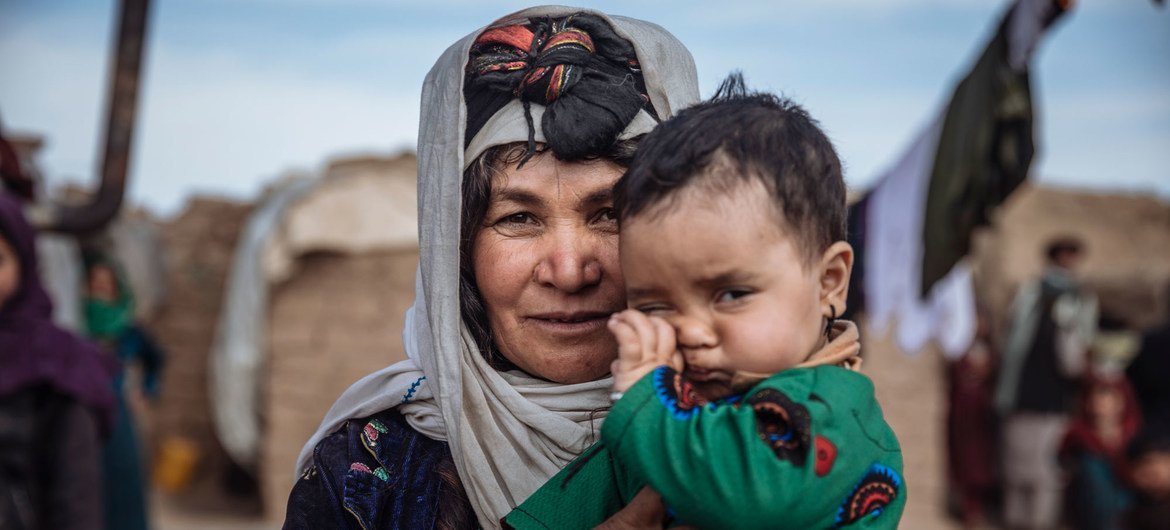
IOM/Muse Mohammed | People displaced by insecurity in Afghanistan shelter at a Camp in western Herat province.
Special Representative Deborah Lyons, head of the UN Assistance Mission in Afghanistan (UNAMA), said the advance of the Taliban in recent months, now targeting major cities, is reminiscent of the Syrian and Balkan wars.
“Afghanistan is now at a dangerous turning point,” she said.
6 August 2021 (UN News)* — The situation for people who have been displaced due to an upsurge in fighting in Afghanistan following the resurgence of the Taliban is expected to continue to deteriorate, unless more is done to assist them, according to the UN’s International Organization for Migration (IOM).
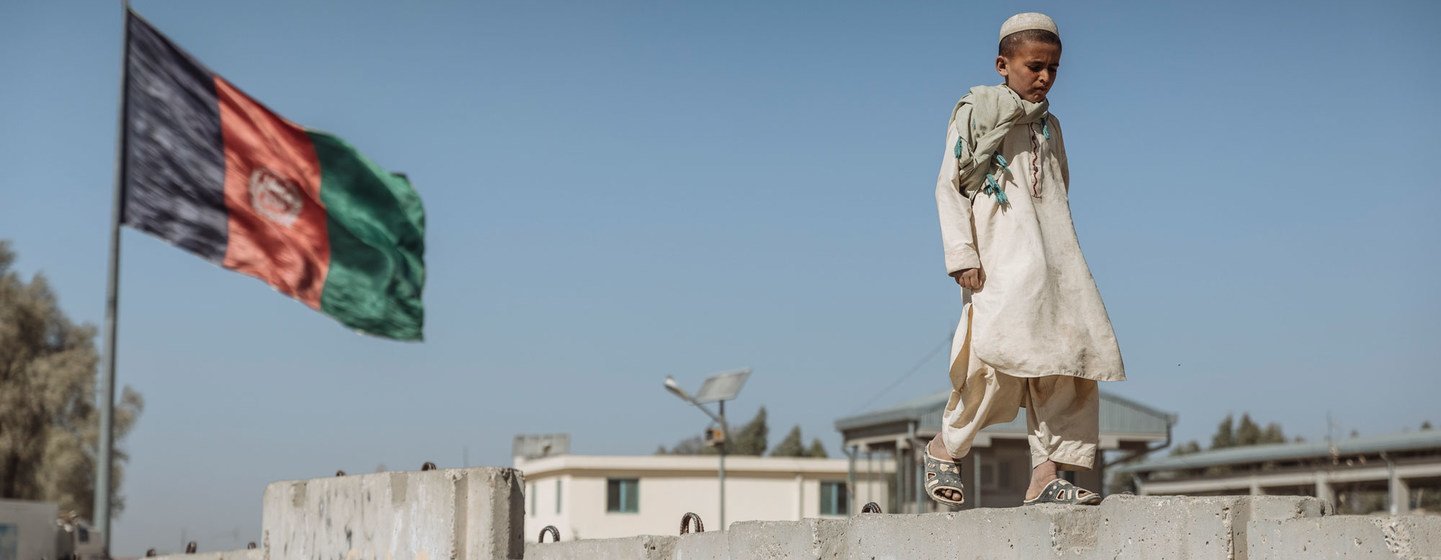
IOM/Muse Mohammed | A young boy walks along the Spin Boldak-Chaman border of Afghanistan and Pakistan in February 2021.
The IOM estimates that more than 300,000 Afghans have been internally displaced by the recent intensification of the conflict and in June some 40,000 people a week fled to neighbouring Iran.


 HUMAN WRONGS WATCH