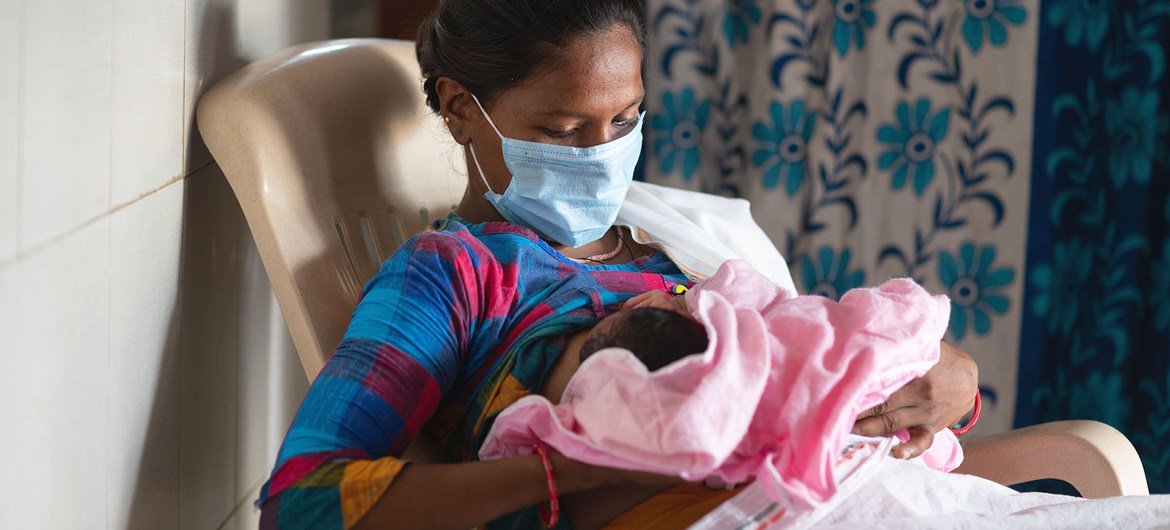
(WHO)* — The theme of World Breastfeeding Week 2020 is “Support breastfeeding for a healthier planet”. In line with this theme, WHO and UNICEF are calling on governments to protect and promote women’s access to skilled breastfeeding counselling, a critical component of breastfeeding support.
Breastfeeding provides every child with the best possible start in life. It delivers health, nutritional and emotional benefits to both children and mothers. And it forms part of a sustainable food system.
But while breastfeeding is a natural process, it is not always easy. Mothers need support – both to get started and to sustain breastfeeding.
Skilled counselling services can ensure that mothers and families receive this support, along with the information, the advice, and the reassurance they need to nourish their babies optimally.
2 August 2021 (UN News)* — Two senior UN officials are urging Governments to make breastfeeding-friendly environments a priority, in line with commitments made earlier this year to accelerate global progress on malnutrition.
Henrietta Fore, Executive Director of the UN Children’s Fund, UNICEF, and Tedros Adhanom Ghebreyesus, Director-General of the World Health Organization (WHO), issued the reminder in a joint statement for World Breastfeeding Week, which runs through 7 August.
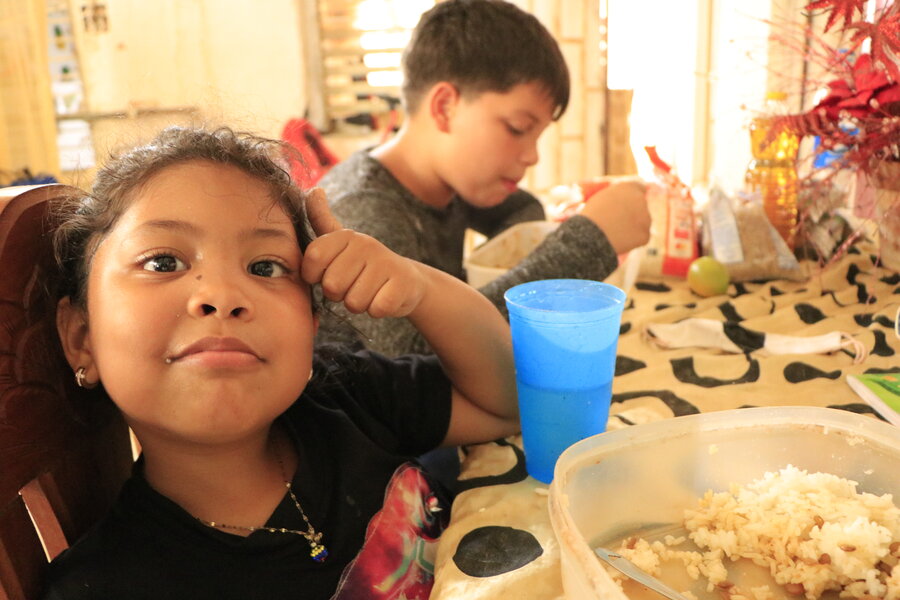
The World Food Programme launched its school meals programme in Venezuela, carrying out the first distributions of take-home rations in the state of Falcon.
Kim wants to become a ballet dancer. Photo: WFP/Alexis Masciarelli
Sitting in the kitchen, Kim watches attentively as her mother empties the large blue bag they just went to collect at her school. “One, two, three, four. That’s lentils. One, two, three, four, five, six… That’s rice!”, counts the 5-year-old girl pointing at the food piling up on the table.
Coral reefs are one of the most striking maritime populations. Large underwater forums or structures consisting in principle of skeletal structures of colonial marine invertebrates.
But certain types of corals are flexible organisms that create some of the world’s most diversified ecosystems.
Intelligently resemble or mimic plants and trees and include species such as sea fans and the sea, but are vulnerable to environmental changes.
The recipient of the £1000 HUFUD Peace Award will be announced on 30 November 2021.
True to its name, HUFUD-Humanity United for Universal Demilitarisation’s message remains constant. We must achieve what we propose: to live in a NON-MILITARISED planet.
We are looking for bright and imaginative Peace Seekers to come up with innovative plans for the planet to be free of Armed Forces – that is, free of wars, politically concocted as well as those of a private initiative.
The plans would advise all governments how to end the Arms Industry, meaning the end of NATO, of the United Nations Security Council, and of all armies in the world.
The proposals should explain why the end of Militarism is the only possible way to prevent governments from abusing the UN Universal Declaration of Human Rights.
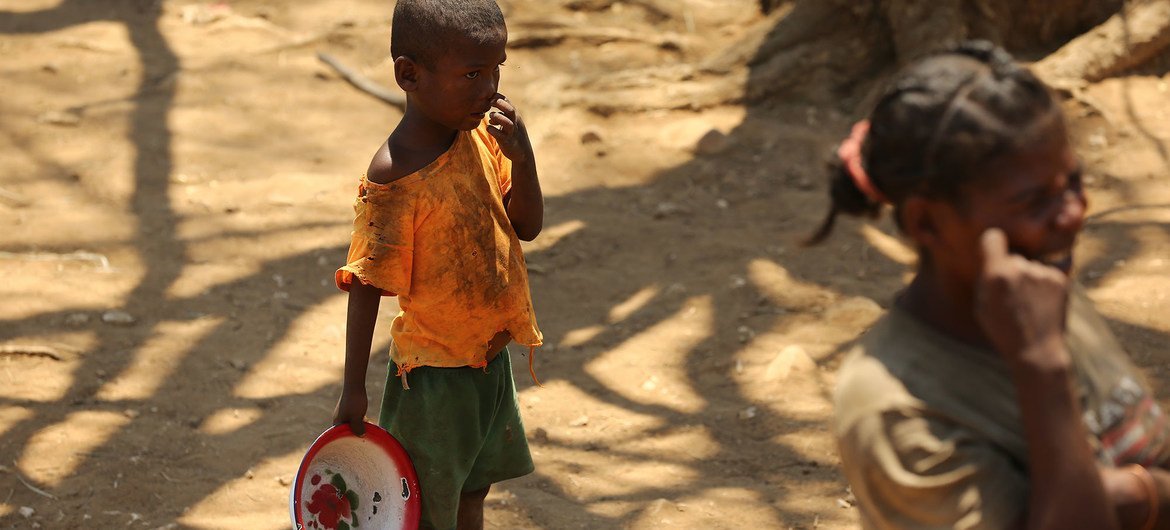
Conflict, COVID-19, climate crisis likely to drive higher levels of acute food insecurity in 23 hunger hotspots – new report
.
WFP/Tsiory Andriantsoarana
.
ROME (WFP)* – Efforts to fight a global surge in acute food insecurity are being stymied in several countries by fighting and blockades that cut off life-saving aid to families on the brink of famine, warn the UN’s Food and Agriculture Organization (FAO) and World Food Programme (WFP) in a new report issued on .
Bureaucratic obstacles as well as a lack of funding also hamper the two UN agencies’ efforts to provide emergency food assistance and enable farmers to plant at scale and at the right time.
(New York) – Recent reports that NSO Group’s Pegasus spyware has been used for surveillance of dozens of journalists, human rights activists, and others demonstrate the urgent need for governments to suspend the trade in surveillance technology until rights-protecting regulatory frameworks are in place, Human Rights Watch on 30 July 2021 said.
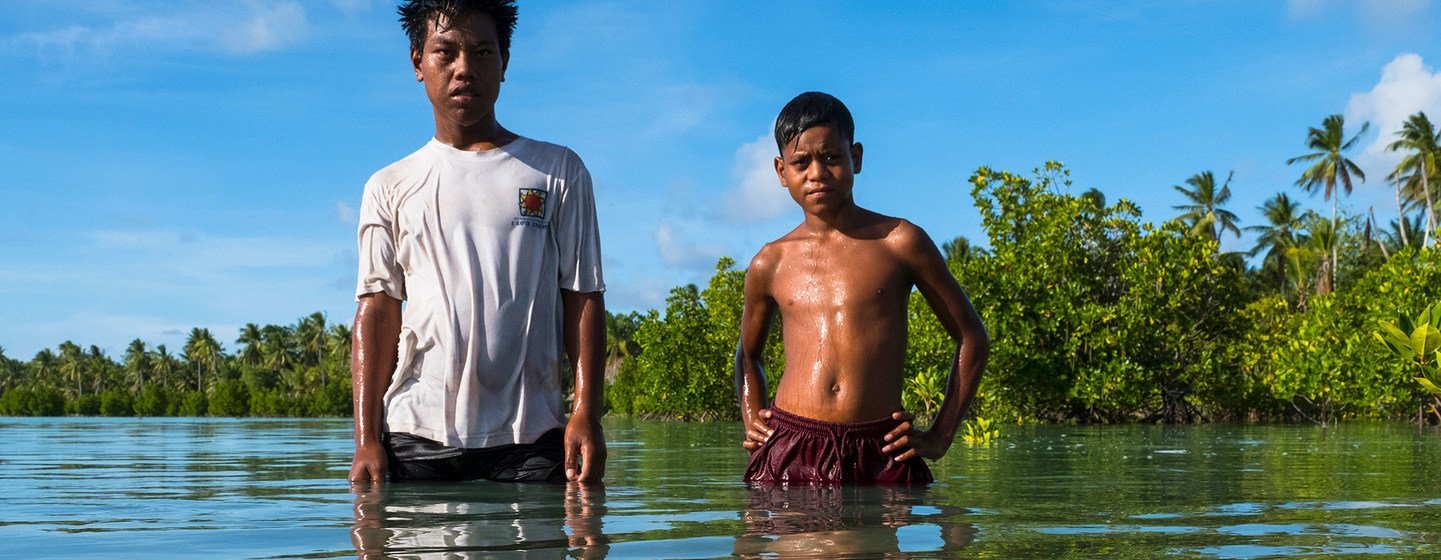
31 July 2021 (UN News)* — Small island nations across the world are bearing the brunt of the climate crisis, and their problems have been accentuated by the COVID-19 pandemic, which has severely affected their economies, and their capacity to protect themselves from possible extinction. We take a look at some of the many challenges they face, and how they could be overcome.
The 38 member states and 22 associate members that the UN has designated as Small Island Developing States or SIDS are caught in a cruel paradox: they are collectively responsible for less than one per cent of global carbon emissions, but they are suffering severely from the effects of climate change, to the extent that they could become uninhabitable.
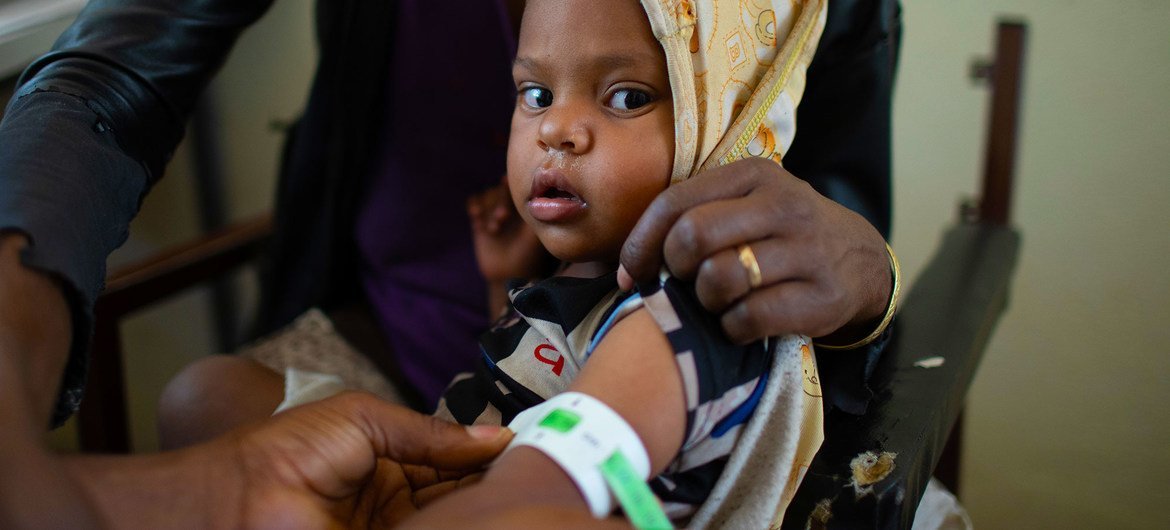
(UN News)* — More than 100,000 children in Tigray, Ethiopia, could suffer from life-threatening severe acute malnutrition in the next 12 months, a tenfold jump over average annual levels, UN Children’s Fund (UNICEF) said on Friday 30 July 2021.
The development comes as UNICEF announced that it had recently reached areas of Tigray that were previously inaccessible owing to insecurity linked to nearly nine months of conflict between Government forces and those loyal to the Tigray People’s Liberation Front, or TPLF.
UNICEF spokesperson Marixie Mercado told a UN briefing in Geneva that humanitarians’ worst fears about the health and wellbeing of children have been realized.
The Values Espoused by Madiba[1] Are Burnt in the Civil Unrest
The cold, wintry South African weather experienced last week was the background setting for the serious, nationwide riots, in the midst of the Third Wave of SARS Cov-2 pandemic, with the Delta variant[2], wreaking havoc amongst the large unvaccinated population of South Africa.
Statue of Mandela Outside the Union Building in Pretoria RSA



 HUMAN WRONGS WATCH