15/09/2014
By ILO*, 15 September 2014 — Together, cooperative enterprises constitute a major part of the world’s economy. Latest research suggests that the largest 1,500 or so cooperative firms have a combined turnover of US$2.5 trillion.
.

Image: UN
Posted in Africa, Asia, Latin America & Caribbean, Middle East, Mother Earth, Others-USA-Europe-etc., The Peoples |
Leave a Comment »
15/09/2014
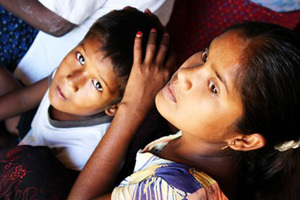
Bangkok, 15 September 2014 (IRIN)* — Already widely reduced to statelessness and in many cases forced into camps for displaced people, an 800,000-strong population of Muslims in western Myanmar now faces increasing efforts to eradicate the very word they use to identify themselves as a group. Under pressure from Myanmar’s nominally-civilian government, the international community sometimes appears complicit in the airbrushing of “Rohingya” from official discourse.

Photo: OCHA Myanmar. More than 100,000 Rohingya have been displaced
In this briefing, IRIN breaks down some of the questions about a group of people that has been called one of the most persecuted minorities in the world.
Who are the Rohingya?
Approximately 800,000 Rohingyas live in Myanmar. Tens of thousands have fled in recent decades to Malaysia, up to half a million to neighbouring Bangladesh, and an unknown number are scattered from Thailand, to India, to Saudi Arabia.
read more »
Posted in Asia, Middle East, Others-USA-Europe-etc., The Peoples, War Lords |
2 Comments »
15/09/2014
By Kendra Ulrich*, 15 September, 2014 Greenpeace — Every birthday is special – but today Japan is celebrating something unique. Japan has been nuclear-free for one year.

Photo: Greenpeace
Nuclear-free – a phrase that in its simplicity carries a devastating message for the worldwide nuclear industry, and an inspiring lesson for people across the globe. The future can indeed be free of the threat of another Fukushima disaster.
One year ago today, the last commercial nuclear reactor operating in Japan was shutdown. It joined the other 47 nuclear reactors that had been idled for most of the period since the devastating Fukushima catastrophe in March 2011.
read more »
Posted in Asia, Market Lords, Mother Earth, Others-USA-Europe-etc., The Peoples |
Leave a Comment »
15/09/2014
Beginning Sunday 14 September, international trade in specimens of five shark species and all manta ray species, including their meat, gills and fins, will need to be accompanied by permits and certificates confirming that they have been harvested sustainably and legally, as new United Nations-backed trade protections go into effect.

Photo: CITES
“Regulating international trade in these shark and manta ray species is critical to their survival and is a very tangible way of helping to protect the biodiversity of our oceans,” said John Scanlon, Secretary-General of the Convention on International Trade in Endangered Species of Wild Fauna and Flora (CITES), in a press release.*
read more »
Posted in Africa, Asia, Latin America & Caribbean, Market Lords, Middle East, Mother Earth, Others-USA-Europe-etc., The Peoples |
Leave a Comment »



 HUMAN WRONGS WATCH