Human Wrongs Watch

Banana is the eighth most important food crop in the world and the fourth most important in developing countries. Credit: FAO
Take the case of one of the world’s most favourite foods—banana in all its forms: banana split, banana muffins, banana bread, banana pudding, banana pancakes… Whether plain, cooked, baked or fried, bananas are among the most widely consumed fruits on the planet.
However, how much do you really know about this most produced and exported fruit? asks the Food and Agriculture Organization of the United Nations (FAO). And the answers provided are some interesting facts you should know about bananas:
1. Based on written references discovered in Sanskrit around the year 500 BC, some horticulturalists believe that bananas were the first fruit on earth.
They are one of the most important tropical fruits, an important cash crop grown on large plantations for export, and an essential staple food for many developing countries.
2. Bananas come in various shapes and forms. In fact, there are over 1 000 banana varieties. The most common one, which the commercial banana industry relies on, is the sweet and seedless Cavendish banana.
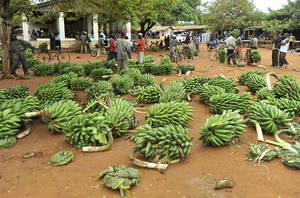
3. The Cavendish banana variety, which accounts for 95 per cent of all bananas sold commercially, is seedless, making it extremely convenient to eat. However, seedless also means sterile – unable to reproduce through normal seeding processes.
Today’s commercial banana industry relies almost totally on the Cavendish because marketing only one variety makes harvesting, packaging and transport more cost-effective and delivers a uniform product.
4. The Cavendish banana contains around 400 milligrams of potassium per 100 g fresh fruit, comparable to many cooked pulses, meat or fish. If consumed on a regular basis, bananas can help regulate blood pressure and control the activity of the heart. Those who consume high amounts of potassium have up to 27% lower risk of heart disease.
5. Some banana varieties have high vitamin A contents such as the Utin Lap, a variety grown in Micronesia. Eating one of these small bananas (about 100 g) covers the vitamin A requirement for 2 days.
6. Bananas can help athletes increase their performance. Besides a high potassium content, they provide a quick boost of energy and are a source of vitamins C and B6.
7. Often used as a natural remedy, banana peel can soothe an itchy mosquito bite. Rubbing the area with the inside of a banana skin can give immediate relief as its sugars help to draw fluid out of the bite.
8. Bananas are grown and harvested all year round and are ready to be harvested 8 to 10 months after planting. They are more likely to fruit in warm weather. It is highly efficient to cultivate bananas to cover the human requirements for a wide range of nutrients.
Per hectare and year, bananas and potatoes produce nine important nutrients (energy, protein, dietary fiber, Fe, Zn, Ca, vitamin A, vitamin C and foliate), more than cereals or any other food.
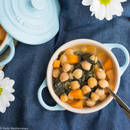
9. Bananas are produced in over 135 countries and territories across the tropics and subtropics. India ranks number one with 29.7 million tonnes per year, followed by Uganda (11.1 million tonnes per year) and China (10.7 million tonnes per year).
10. Despite predicted temperature increases of 3°C by 2070, increasing annual temperatures will make conditions more favourable for banana production in the subtropics and in tropical highlands. Land area suitable for bananas will increase 5o per cent by 2070.
Don’t Like Banana?
What if you do not like or do not wish to eat bananas, but want to have healthy, affordable food? Take then any of Nature’s nutritious seeds.
Also here, FAO gives you 10 good reasons why you should opt for pulses.
In many countries, it adds, they are part of the cultural heritage and are consumed on a regular basis. In other parts of the world, they hardly garner a mention except when served as soup on a cold winter’s day.
However, these tiny, multi-coloured seeds have been one of nature’s nutritious foods since time began. Here is why:
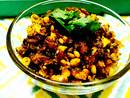
1. Pulses are naturally low in fat and contain no cholesterol, which can contribute to reducing the risk of cardiovascular diseases.
2. Pulses are also low in sodium. Sodium chloride – or salt – is a contributor to hypertension and can be avoided by consuming foods with lower sodium levels such as pulses. It is recommended that a small amount of salt should be added to the cooking water or the final dish.
3. They are a great source of plant-based protein. Surprisingly, 100 grams of raw lentils contain a remarkable 25 grams of protein. During cooking, pulses absorb considerable amounts of water thus reducing the protein content of cooked lentils to around 8 per cent. Consuming cereals with pulses has the potential to increase the protein quality of the overall meal.
4. The small seeds are a good source of iron. Iron deficiency is considered one of the most prevalent forms of malnutrition and is one of the most common types of anaemia. However, iron from animal source foods is better used by the body than the iron obtained from pulses.
To improve the iron absorption, it is advised to combine pulses with foods containing vitamin C (lemon juice on lentil curry for example) and to soak them before cooking to diminish the phytate content, which is known to hinder mineral absorption in the intestine.
5. Pulses are high in potassium, which supports the heart function and plays an important role for digestive and muscular functions.
6. Pulses are often quoted among the top high fibre foods, necessary for supporting digestive health and helping to reduce the risks of cardiovascular diseases.
7. Pulses are an excellent source of folate – a B-vitamin naturally present in many foods – that is essential to the nervous system function and especially important during pregnancy to prevent foetal neural tube defects.
8. Pulses can be stored for a long time and thus can help to increase the diversity of diets, especially in developing countries.
9. Pulses are low glycemic index foods. They increase satiety and help to stabilize blood sugar and insulin levels, making them suitable for people with diabetes and ideal for weight management.
10. Finally, pulses are naturally gluten-free. This makes them an ideal option for coeliacs.
Still hungry? For more details from the world of pulses visit the International Year of Pulses 2016 website.
And find your favorite pulses recipe to try out!
*
Related IPS Articles
- Believe It or Not, Pulses Reduce Gas Emissions!
- Want to Feel Fit? Eat Falafel, Dahl, Cow Pea and…!
- Soil and Pulses: Symbiosis for Life
- Asia, Looking Beyond the Green Revolution
—
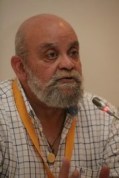 *Author: Baher Kamal, Egyptian-born, Spanish-national secular journalist. He is founder and publisher of Human Wrongs Watch. Kamal is a pro-peace, non-violence, human rights, coexistence defender, with more than 45 years of professional experience.
Baher Kamal is also Senior Advisor to the Director General of international news agency IPS.
More articles by Baher Kamal in Human Wrongs Watch:
World to Cut Gas Emissions by 25 Percent More Than Paris Agreement
Toxic Air – The ‘Invisible Killer’ that Stifles 300 Million Children
Climate Doomsday – Another Step Closer
What Happens When a Small Farmer Migrates?
‘The Earth Is Not Flat; It Is Urban’
Take a Deep Breath?… But 9 in 10 People Live with Excessive Air Pollution!
Believe It or Not, Pulses Reduce Gas Emissions!
Ships Bring Your Coffee, Snack and TV Set, But Also Pests and Diseases
One Humanity? Millions of Children Tortured, Smuggled, Abused, Enslaved…
Arable Lands Lost at Unprecedented Rate: 33,000 Hectares… a Day!
War on Climate Terror (II): Fleeing Disasters, Escaping Drought, Migrating
War on Climate Terror (I): Deserts Bury Two Thirds of African Lands
African Farmers Can Feed the World, If Only…
Climate Victims – Every Second, One Person Is Displaced by Disaster
400 Million People Live with Hepatitis But They Do Not Know
Rights of Indigenous Peoples ‘Critical’ to Combat Climate Change
Forests: To Farm or Not to Farm? That’s the Question!
‘Monster’ El Niño Subsides, ‘Monster’ La Niña Hitting Soon
‘Modern World Is Chaotic, Confused; Human Security a Must’
Xenophobic Rhetoric, Now Socially and Politically ‘Acceptable’ ?
‘Hate Is Mainstreamed, Walls Are Back, Suspicion Kills’
What If Turkey Drops Its “Human Bomb” on Europe?
Humanitarian Aid – Business As Unusual?
World Oceans Day – A Death Sea Called Mediterranean
The Humanitarian Clock Is Ticking, The Powerful Feign Deafness
Humanitarian Summit, The Big Fiasco
Humanitarian Summit: Too Big to Fail?
Humanitarian Summit Aims to Mobilise Up to 30 Billion Dollars
Africa, Resolved to Address African Problems With African Solutions
‘We Cannot Keep Jumping from Crisis to Crisis’
‘Human Suffering Has Reached Staggering Levels’
Now 1 in 2 World’s Refugees Live in Urban Areas
Middle East – The Mother of All Humanitarian Crises
Mideast: 1 in 3 Pays Bribe to Access Basic Public Services
Climate: Africa’s Human Existence at Severe Risk
No Water in the Kingdom of the Two Seas – Nor Elsewhere
Will the Middle East Become ‘Uninhabitable’?
Can an Animal Heist Fable Help Solve the Middle East Crisis?
A “Colombian Triangle” for Daesh in Libya?
‘Take My Iraqis and Give Me Some Syrians’ – Europe to Turkey
New Nuclear Hysteria in the Middle East
Africa Launches Largest Trading Block with 620 Million Consumers
Big War Lords Playing Brinkmanship Game in Syria
Cameron at large: Want Not to Become a Terrorist? Speak Fluent English!
Women’s Rights First – African Summit
Africa, Only If It Bleeds It Leads?
Seven Top Challenges Facing African Women
Once Auctioned, What to Do with the ‘Stock’ of Syrian Refugees?
Silence, Please! A New Middle East Is in the Making
The Over-Written, Under-Reported Middle East (II): 99.5 Years of (Imposed) Solitude
The Over-Written, Under-Reported Middle East (I): Of Arabs and Muslims
Egypt in the Rear Mirror (I): The Irresistible Temptation to Analyse What One Ignores
Egypt in the Rear Mirror (II): Who Are the Not-So-Invisible Powers Behind the Troglodytes?
Fed Up With Empty Promises, The Arabs May Abandon Nuclear Non-Proliferation Treaty
Anti-Nukes Move from Norway to Bahrain
Middle East Nuclear Free Bid Moves to Finland – Yet Another Lost Chance?
Annual Spending on Nuclear Weapons, Equivalent To UN Budget For 45 Years
Watch The Sky–It May Rain Atomic Bombs
Save The Planet? Just Eat Cars, Drink Fuel!
Who Is Afraid of 300 Or 400 Or 500 Million Miserables?
Violence And Death For Millions Of Life-Givers
Whither Egypt (I) – Did You Say Dictatorship?
Whither Egypt (II) – Economic Bankruptcy
Politicians Promote Fossil Fuels with Half a Trillion Dollars a Year
Who Dares to Challenge a 32 Billion Dollars Business – Human Trafficking?
Palestine: Yet Another One Hundred Years of Solitude
Does Anyone Know Anything About A New Country Called South Sudan?
South Sudan: Yet Another Kitchen-Garden?
Somalia? Which Somalia? Some Facts About Everybody’s — Nobody’s Land
2016 Human Wrongs Watch
Discover more from HUMAN WRONGS WATCH
Subscribe to get the latest posts sent to your email.
 Baher Kamal
 HUMAN WRONGS WATCH
Leave a comment