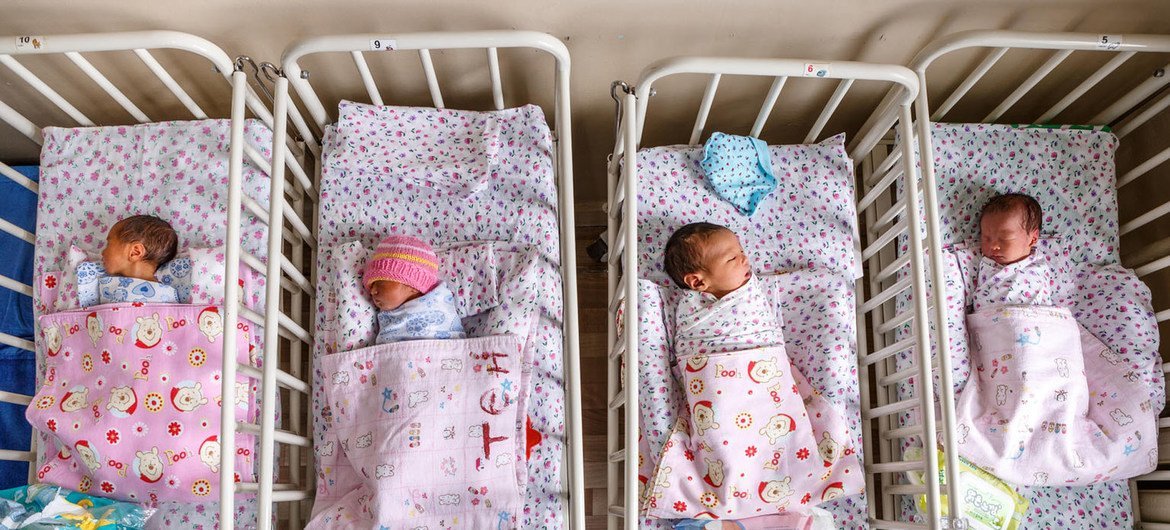
“We know we can save the vast majority of these babies with affordable, quality health care solutions for every mother and every newborn. Just a few small steps from all of us can help ensure the first small steps of each of these young lives,” she added.
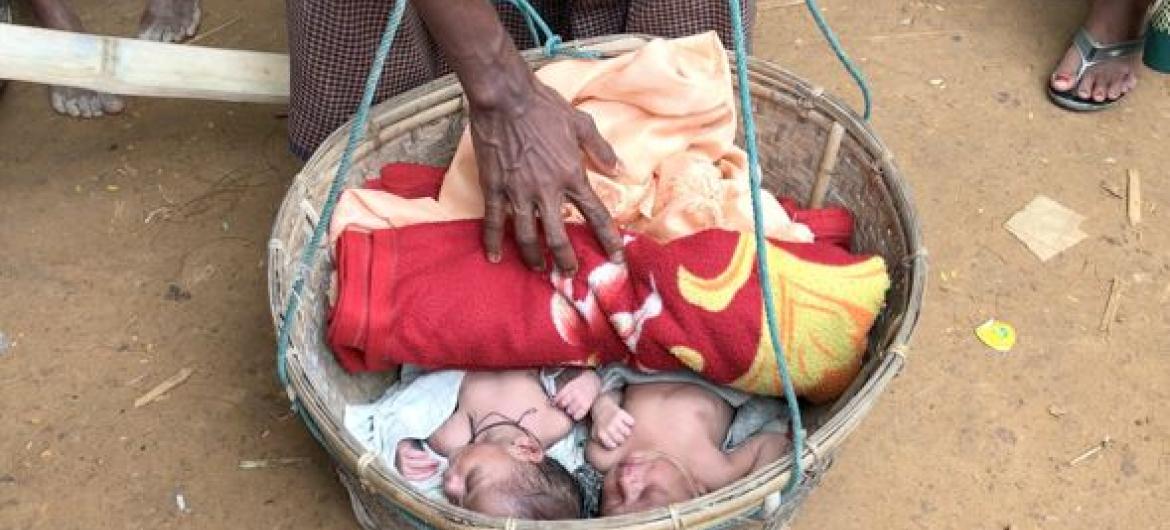
According to the report, babies born in Japan, Iceland and Singapore have the best chance at survival, while newborns in Pakistan, the Central African Republic and Afghanistan face the worst odds.
In Japan, one in 1,111 newborn babies die in the first month of life while in Pakistan, the ratio is one in 22.
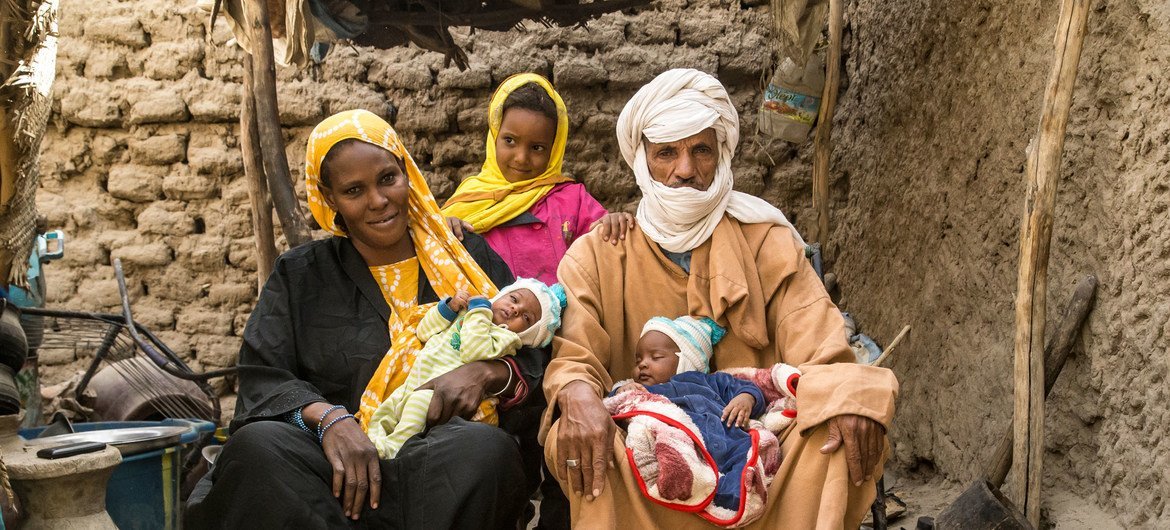
Globally, in low-income countries, the average newborn mortality rate is 27 deaths per 1,000 births, the report says. In high-income countries, that rate is 3 deaths per 1,000.
The report also notes that 8 of the 10 most dangerous places to be born are in sub-Saharan Africa, where pregnant women are much less likely to receive assistance during delivery due to poverty, conflict and weak institutions.
If every country brought its newborn mortality rate down to the high-income average by 2030, 16 million lives could be saved.
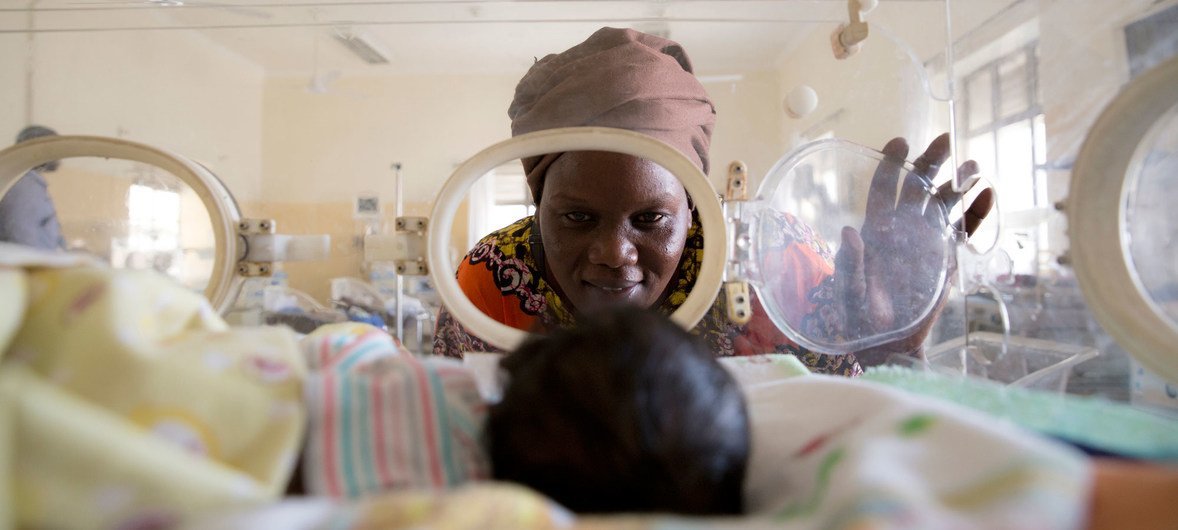
More than 80 per cent of newborn deaths are due to prematurity, complications during birth or infections such as pneumonia and sepsis, the report says.
“Given that the majority of these deaths are preventable, clearly, we are failing the world’s poorest babies,” Ms. Fore said.
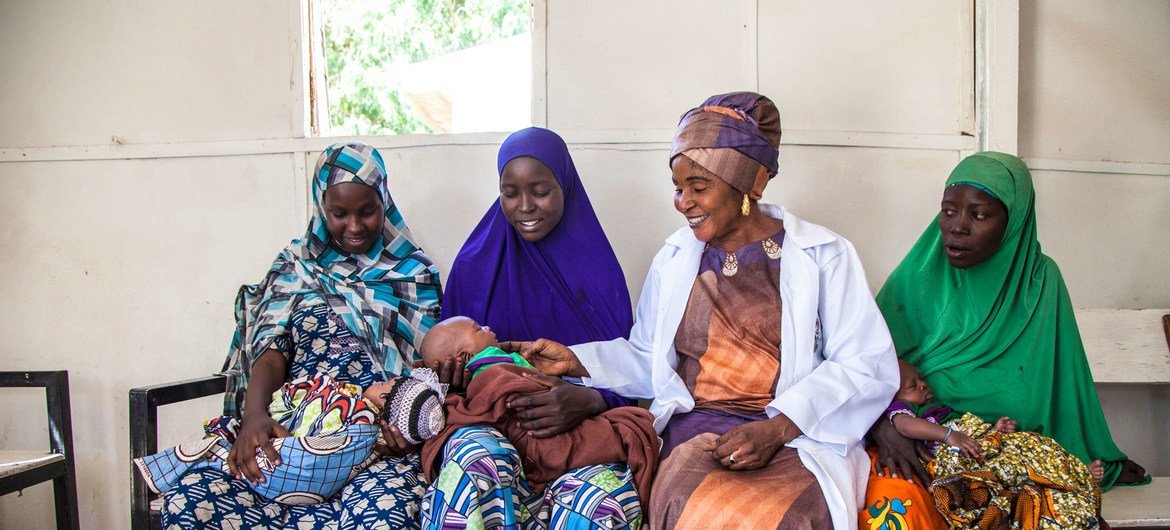
Unequal shots at life
Highest newborn mortality rates
.
1. Pakistan: 1 in 22
2. Central African Republic: 1 in 24
3. Afghanistan: 1 in 25
4. Somalia: 1 in 26
4. Lesotho: 1 in 26
4. Guinea-Bissau: 1 in 26
4. South Sudan: 1 in 26
8. Côte d’Ivoire: 1 in 27
9. Mali: 1 in 28
9. Chad: 1 in 28
Lowest newborn mortality rates
.
1. Japan: 1 in 1,111
2. Iceland: 1 in 1,000
3. Singapore: 1 in 909
4. Finland: 1 in 833
5. Estonia: 1 in 769
5. Slovenia: 1 in 769
7. Cyprus: 1 in 714
8. Belarus: 1 in 667
8. Luxembourg: 1 in 667
8. Norway: 1 in 667
8. Republic of Korea: 1 in 667
.
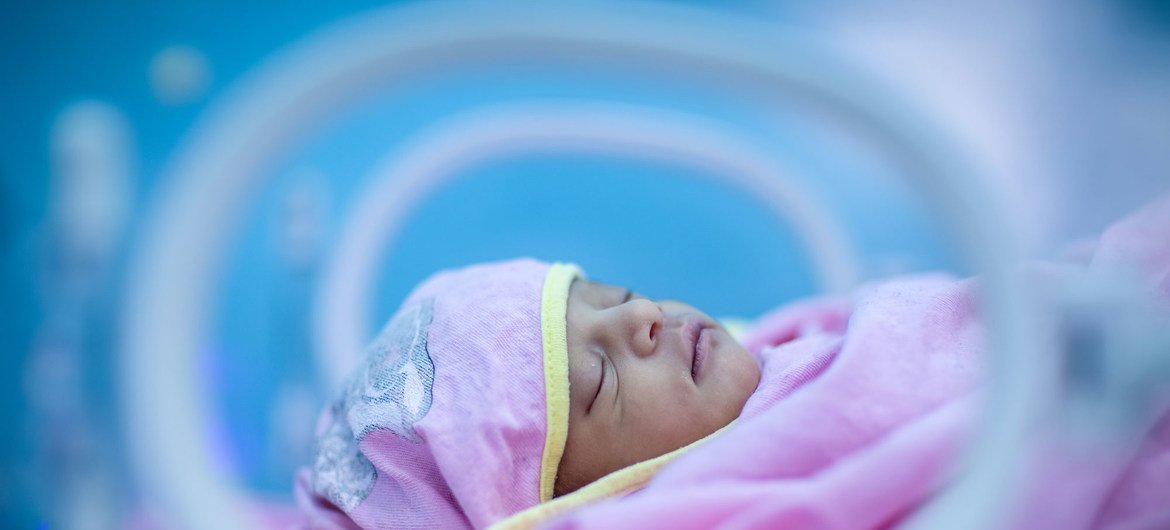
These deaths can be prevented with access to well-trained midwives, along with proven solutions like clean water, disinfectants, breastfeeding within the first hour, skin-to-skin contact and good nutrition.
However, a shortage of well-trained health workers and midwives means that thousands don’t receive the life-saving support they need to survive. For example, while in Norway there are 218 doctors, nurses and midwives to serve 10,000 people, that ratio is one per 10,000 in Somalia.
This month, UNICEF is launching Every Child ALIVE, a global campaign to demand and deliver solutions on behalf of the world’s newborns. (SOURCE: UN).
2018 Human Wrongs Watch
Discover more from HUMAN WRONGS WATCH
Subscribe to get the latest posts sent to your email.
 Baher Kamal
 HUMAN WRONGS WATCH
Leave a comment