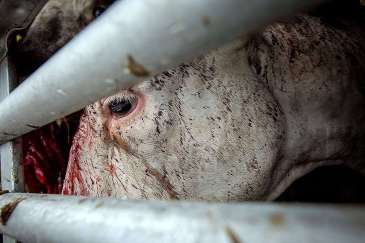
Milk cows, after their exploitation is over, will end up in the abattoir © (c) Andrew Skowron /andrewskowron.org | Image f.rom Greenpeace International.
Looking at the sheer scale of industrialised meat production, it is only a matter of time before the next scandal will hit the headlines.
In Poland alone, more than 2,000 chickens, 42 pigs, and 3 cows are killed every minute. According to data from veterinary inspections, 22% of cattle and 35% of pigs sent to slaughter within a year were diagnosed with diseases, lesions and other causes that could make the meat unhealthy for human consumption.
99.9% of that livestock was still released for consumption. Meaning there could still be more rotten meat out there.
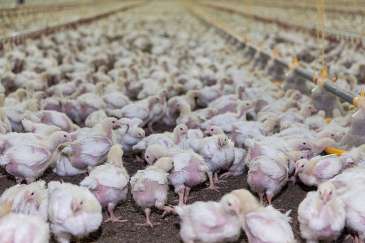
A chicken farm in Northern Germany. 30,000 male and female chickens of the breed “Ross” are fattened in this north German farm within 35 days © Fred Dott / Greenpeace
Industrial meat production puts profit above public health and is a disaster for the environment. It contributes to deforestation, causes animals to suffer, it pollutes rivers and oceans, and is fuelling the climate crisis.

Manure-Soup Protest in Berlin © Gordon Welters / Greenpeace
Our decision-makers need to step up. We need more transparency and better regulation. But even more than that, we need to transform our food system into one that is healthy for people and planet.
The good news? We can all play our part in this:
- If you eat meat, find out where it comes from, and if you can, buy it from trusted ecological farmers.
- Embrace a diverse diet with plant-based alternatives, which are both safe and delicious – take a look at the Greenpeace Cookbook for inspiration and ideas.
- And consider looking out for others by asking your city to serve more eco-friendly and veggie food to kids in schools.
*Nora Holzman is the global communications lead for the Meat and Dairy Campaign at Greenpeace and Katarzyna Jagiełło is an agricultural expert at Greenpeace Poland.
*SOURCE: Greenpeace International. Go to ORIGINAL.
2019 Human Wrongs Watch
Discover more from HUMAN WRONGS WATCH
Subscribe to get the latest posts sent to your email.
 Baher Kamal
 HUMAN WRONGS WATCH
Leave a comment